
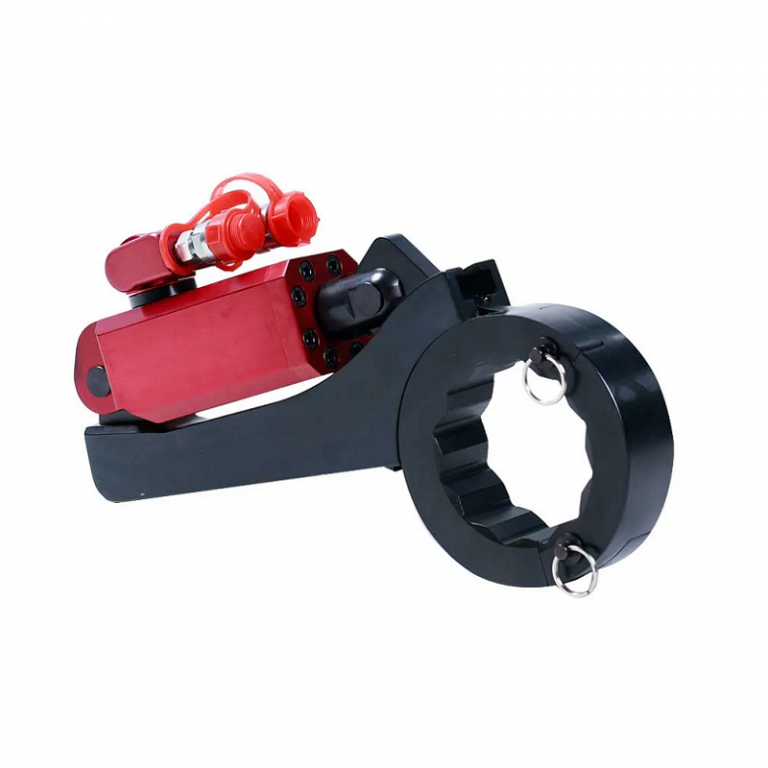

What are the technical difficulties of hydraulic torque wrench?
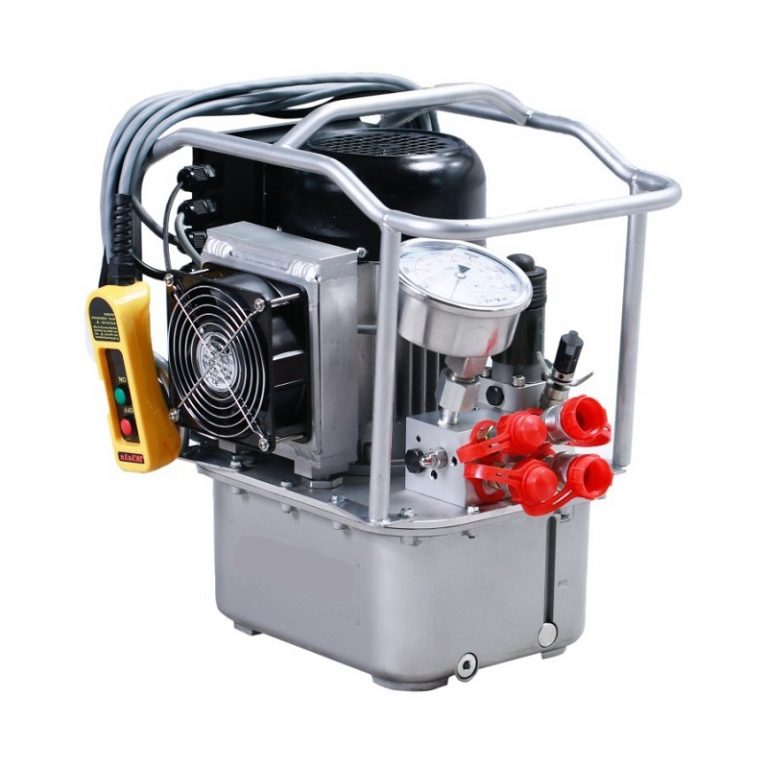
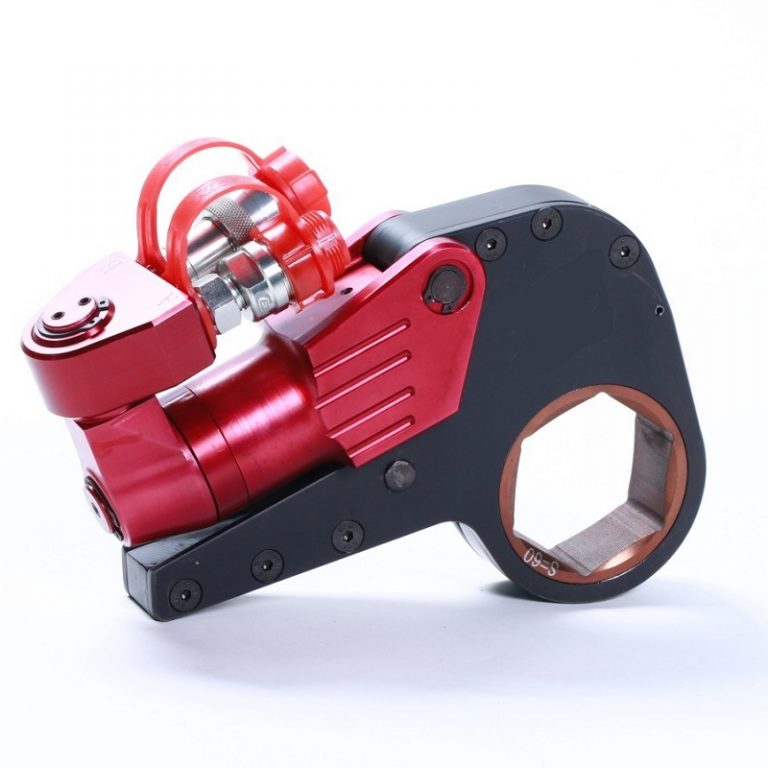
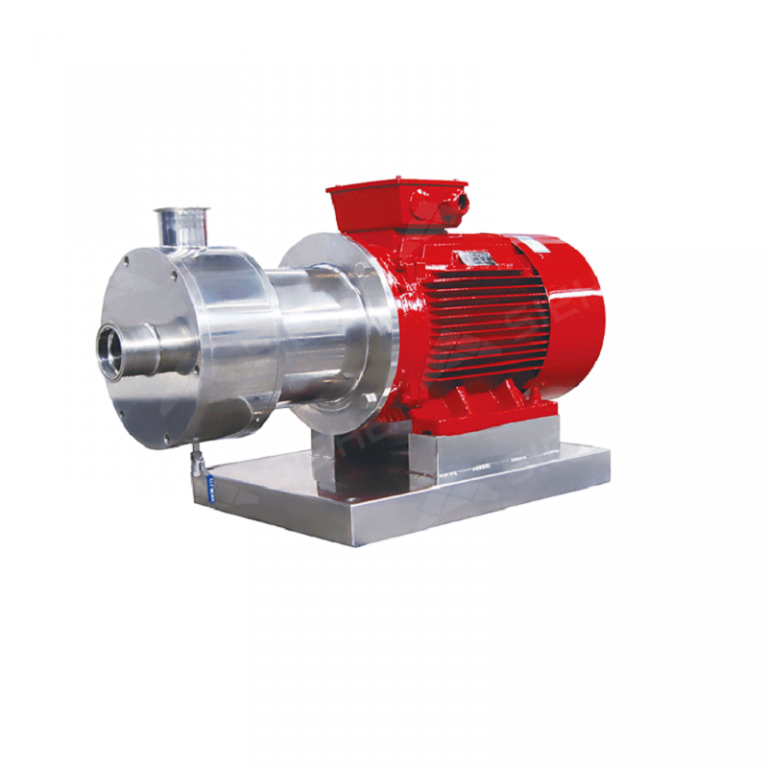
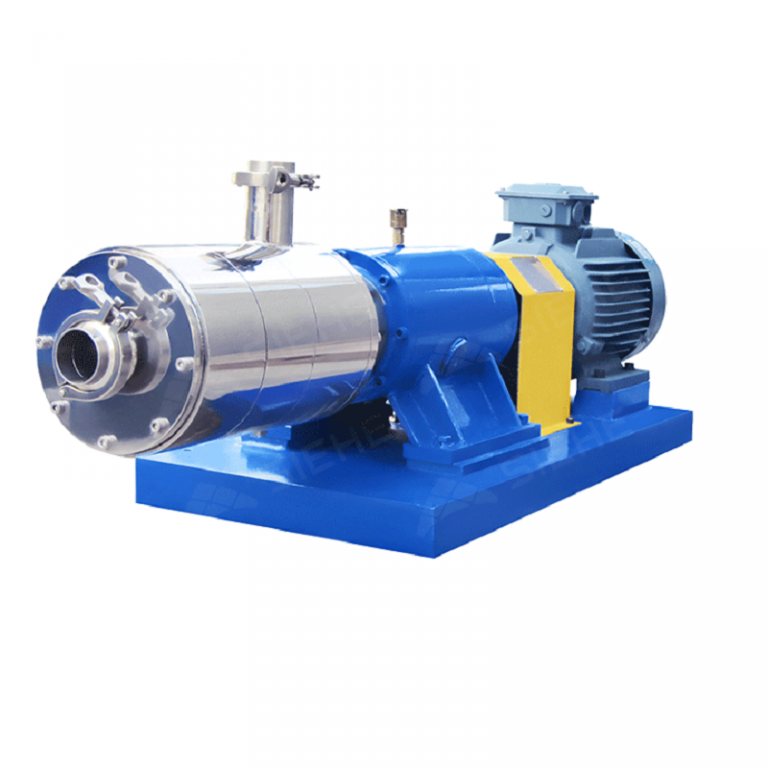
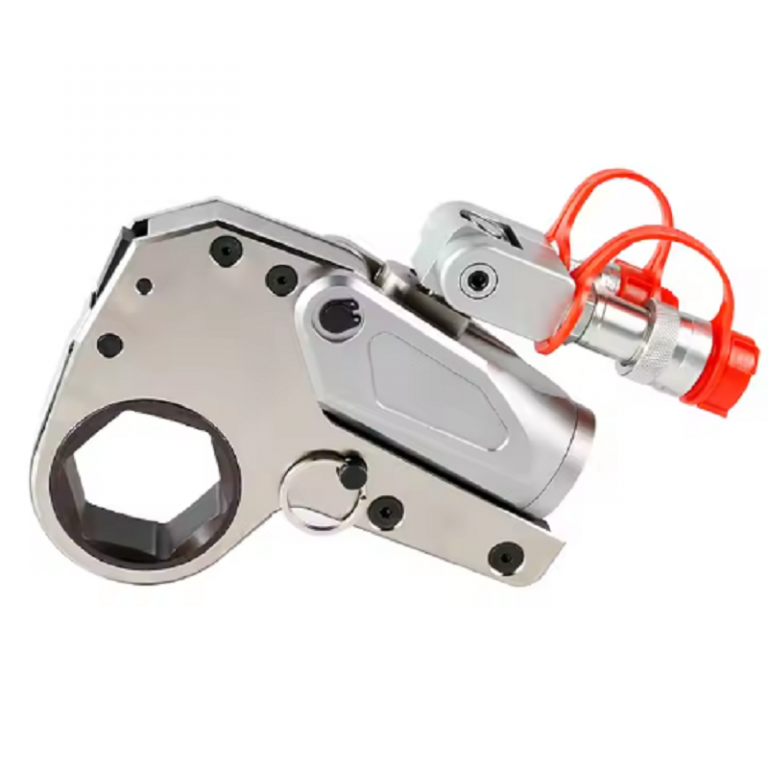
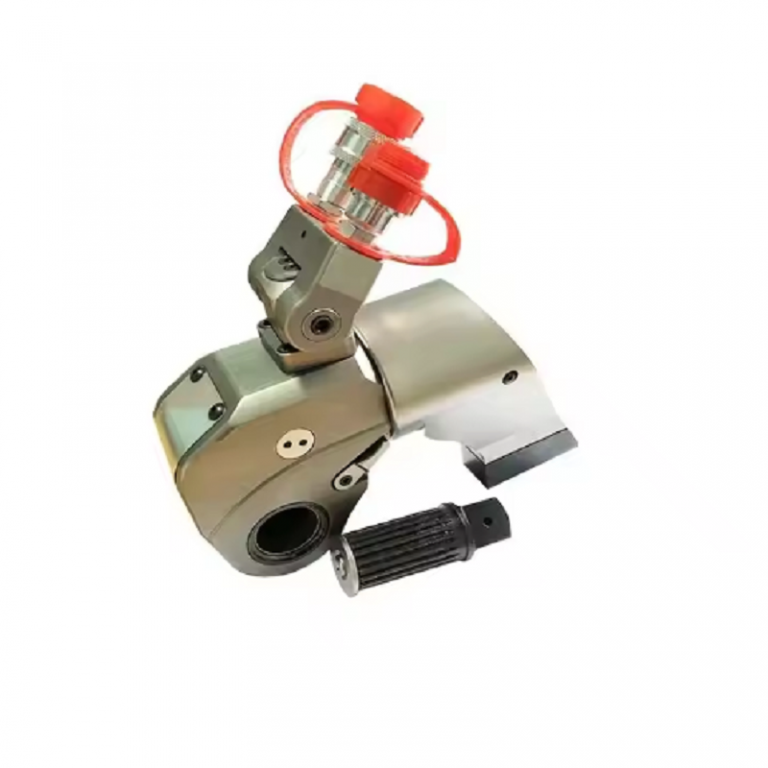
What are the technical difficulties of hydraulic torque wrench? A hydraulic torque wrench is a precise tool for tightening or loosening high-torque bolts, but in practice there are several technical difficulties and challenges that users and engineers often face: 1. Hydraulic System Issues•Leaks in hoses or fittings → cause loss of pressure and inconsistent torque output.•Seal wear → internal leakage reduces efficiency and torque accuracy.•Air in the hydraulic lines → makes the wrench “spongy” and less responsive.•Pump compatibility → different flow/pressure ratings may cause underperformance or even damage. 2. Torque Accuracy & Calibration•Pressure–torque relationship: torque is indirectly controlled by hydraulic pressure, so any variation in pump accuracy affects torque output.•Calibration drift: over time, wear in the cylinder, piston, or gauge causes deviations in torque.•Backlash/side loading: if the wrench isn’t perfectly aligned with the nut, torque may be inaccurate. 3. Mechanical & Operational Difficulties•Reaction arm stress: must press against a stable surface; otherwise, side-loading damages the tool or the joint.•Limited space: large hydraulic tools may not fit into tight bolt patterns (e.g., flanges).•Cycle time: multiple strokes are needed for each nut, making it slower
What are the technical difficulties of hydraulic torque wrench?
What are the technical difficulties of hydraulic torque wrench? A hydraulic torque wrench is a precise tool for tightening or loosening high-torque bolts, but in practice there are several technical difficulties and challenges that users and engineers often face: 1. Hydraulic System Issues•Leaks in hoses or fittings → cause loss of pressure and inconsistent torque output.•Seal wear → internal leakage reduces efficiency and torque accuracy.•Air in the hydraulic lines → makes the wrench “spongy” and less responsive.•Pump compatibility → different flow/pressure ratings may cause underperformance or even damage. 2. Torque Accuracy & Calibration•Pressure–torque relationship: torque is indirectly controlled by hydraulic pressure, so any variation in pump accuracy affects torque output.•Calibration drift: over time, wear in the cylinder, piston, or gauge causes deviations in torque.•Backlash/side loading: if the wrench isn’t perfectly aligned with the nut, torque may be inaccurate. 3. Mechanical & Operational Difficulties•Reaction arm stress: must press against a stable surface; otherwise, side-loading damages the tool or the joint.•Limited space: large hydraulic tools may not fit into tight bolt patterns (e.g., flanges).•Cycle time: multiple strokes are needed for each nut, making it slower
What are the technical difficulties of hydraulic torque wrench?
What are the technical difficulties of hydraulic torque wrench? A hydraulic torque wrench is a precise tool for tightening or loosening high-torque bolts, but in practice there are several technical difficulties and challenges that users and engineers often face: 1. Hydraulic System Issues•Leaks in hoses or fittings → cause loss of pressure and inconsistent torque output.•Seal wear → internal leakage reduces efficiency and torque accuracy.•Air in the hydraulic lines → makes the wrench “spongy” and less responsive.•Pump compatibility → different flow/pressure ratings may cause underperformance or even damage. 2. Torque Accuracy & Calibration•Pressure–torque relationship: torque is indirectly controlled by hydraulic pressure, so any variation in pump accuracy affects torque output.•Calibration drift: over time, wear in the cylinder, piston, or gauge causes deviations in torque.•Backlash/side loading: if the wrench isn’t perfectly aligned with the nut, torque may be inaccurate. 3. Mechanical & Operational Difficulties•Reaction arm stress: must press against a stable surface; otherwise, side-loading damages the tool or the joint.•Limited space: large hydraulic tools may not fit into tight bolt patterns (e.g., flanges).•Cycle time: multiple strokes are needed for each nut, making it slower
What are the technical difficulties of hydraulic torque wrench?
What are the technical difficulties of hydraulic torque wrench? A hydraulic torque wrench is a precise tool for tightening or loosening high-torque bolts, but in practice there are several technical difficulties and challenges that users and engineers often face: 1. Hydraulic System Issues•Leaks in hoses or fittings → cause loss of pressure and inconsistent torque output.•Seal wear → internal leakage reduces efficiency and torque accuracy.•Air in the hydraulic lines → makes the wrench “spongy” and less responsive.•Pump compatibility → different flow/pressure ratings may cause underperformance or even damage. 2. Torque Accuracy & Calibration•Pressure–torque relationship: torque is indirectly controlled by hydraulic pressure, so any variation in pump accuracy affects torque output.•Calibration drift: over time, wear in the cylinder, piston, or gauge causes deviations in torque.•Backlash/side loading: if the wrench isn’t perfectly aligned with the nut, torque may be inaccurate. 3. Mechanical & Operational Difficulties•Reaction arm stress: must press against a stable surface; otherwise, side-loading damages the tool or the joint.•Limited space: large hydraulic tools may not fit into tight bolt patterns (e.g., flanges).•Cycle time: multiple strokes are needed for each nut, making it slower
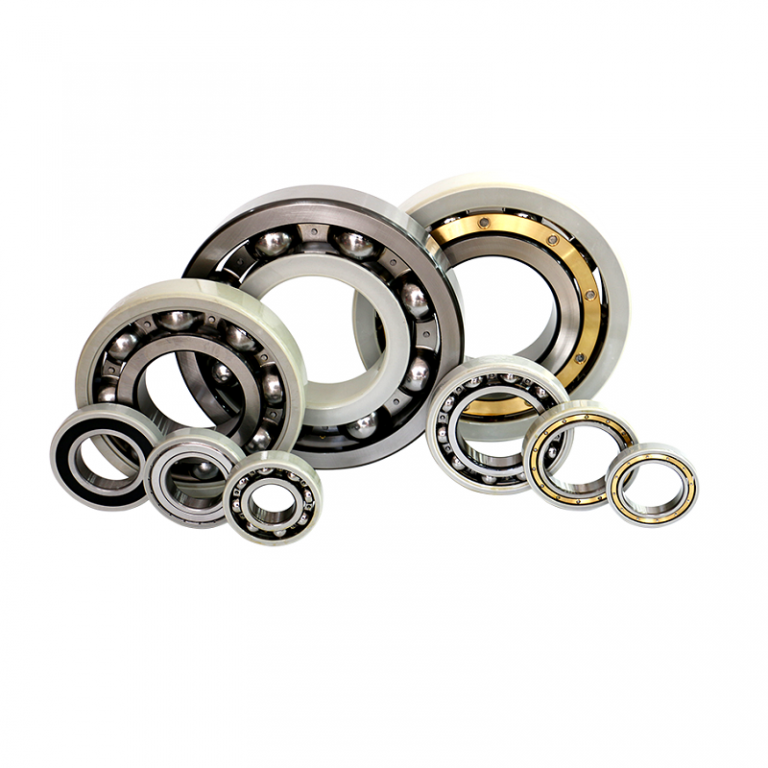
High Temperature Bearing: Selection, Materials, Applications, and Failure Prevention
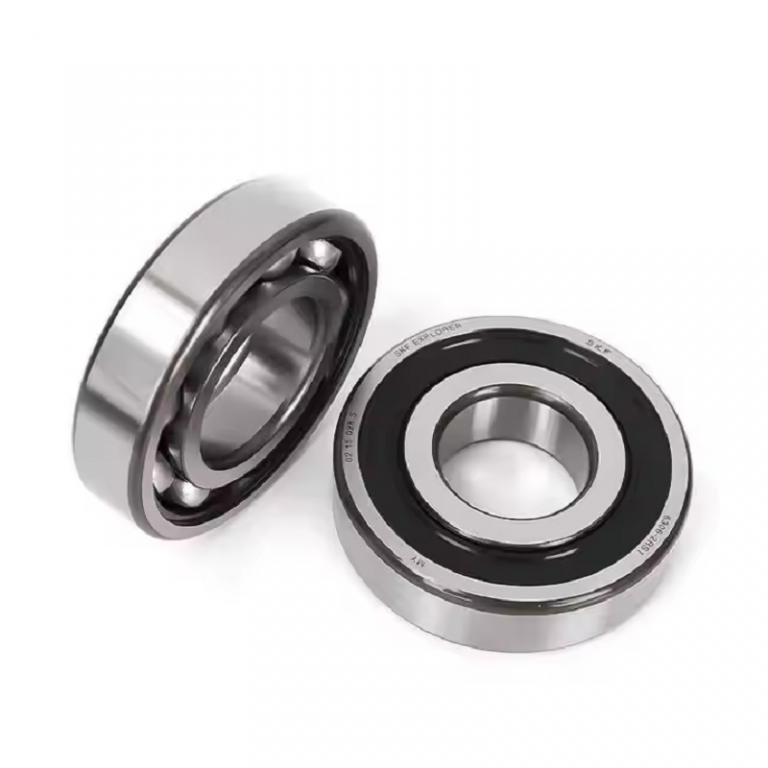
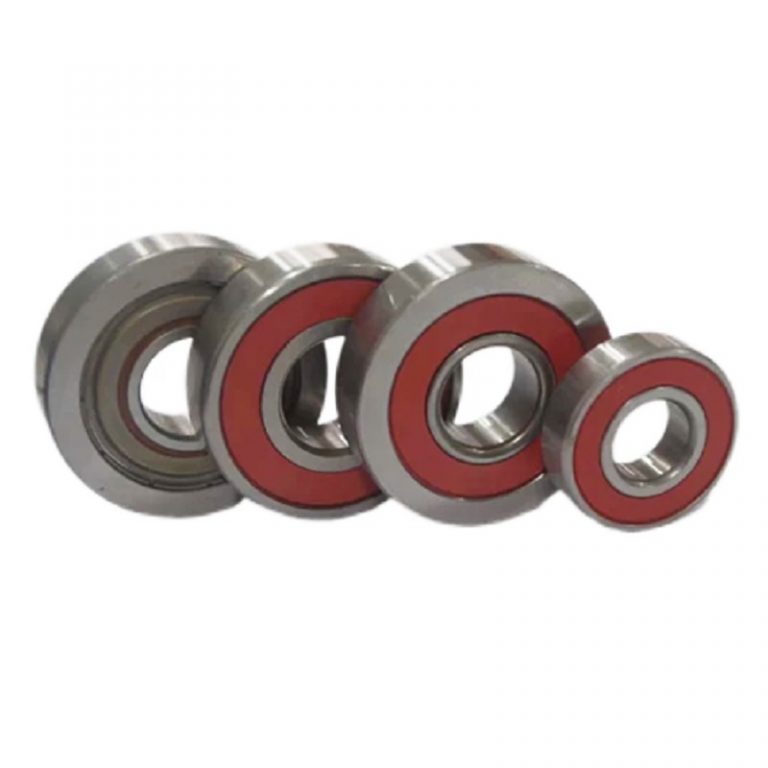
High Temperature Bearing: Selection, Materials, Applications, and Failure Prevention High temperatures can turn an otherwise reliable bearing into a recurring maintenance problem. In industrial ovens, kilns, dryers, heat-treatment equipment, and steel processing machinery, bearings must withstand not only elevated temperatures but also changing loads, thermal expansion, lubricant degradation, and continuous operating cycles. Choosing the right high temperature bearing involves more than checking a maximum temperature rating. A bearing that performs well in a slow-moving conveyor may not be suitable for a high-speed rotating assembly exposed to the same temperature. Material selection, internal clearance, lubrication, cage design, mounting conditions, and operating environment all influence performance. For procurement managers, the challenge is to identify a bearing that meets the equipment's technical requirements without creating unnecessary maintenance costs. For maintenance engineers, the priority is to understand why bearings fail, how to identify the underlying causes, and when replacement or a different bearing design is necessary. This guide explains how high temperature bearings work, which factors determine their suitability, and how to select, inspect, and maintain them for reliable industrial operation. 1. What
Why can a hydraulic wrench easily handle a large bolt that can't be turned by hand?
Why can a hydraulic wrench easily handle a large bolt that can't be turned by hand? I still remember the photo a maintenance lead sent me last winter. It showed a 4-inch stud on a gas compressor cylinder head, a 10-foot cheater pipe bent like a banana, and three guys standing around it with that mix of exhaustion and defeat you only get after an hour of sledgehammering a slugging wrench. His message read: “We can’t break it loose. What do you suggest?” That picture is worth a thousand words, and it answers the question right in the title. A hydraulic torque wrench doesn’t just add a little more muscle to the job — it fundamentally changes how force is generated, controlled, and transferred to the bolt. And once you understand that difference, it becomes obvious why a tool you can carry in one hand will spin off a bolt that three people on a 12-foot snipe cannot. The physical limits of hand turning Let’s put some numbers on the table. A strong, healthy technician leaning on a 1.5-meter (5-foot) pipe
Nylon monofilament Filter cloth
Nylon Monofilament Filter Cloth: What Your Supplier Won’t Always Tell You If you’ve ever stood next to a filter press that just won’t seal right, or watched a dewatering cycle take twice as long as it should, you already know this truth: the filter cloth isn’t just a consumable. It’s the silent engine of your entire solid-liquid separation process. And when that cloth is woven from nylon monofilament fibers, the rules of selection, installation, and troubleshooting shift in ways that standard polypropylene documentation rarely covers. We’re not here to give you a glossy brochure version. We’re going to walk through what actually matters when you’re sourcing nylon monofilament filter cloth—whether you’re the procurement manager comparing quotes across three countries, or the maintenance lead trying to figure out why a set of cloths failed after 400 cycles instead of 4,000. Why Nylon Monofilament, Specifically? Most filter cloth on the market is polypropylene. It’s cheap, it handles a wide pH range, and it’s the default answer for many applications. But polypropylene has a hard limit: it doesn’t like constant flexing, and it
How a hydraulic torque wrench works?
How a hydraulic torque wrench works? Last month, a crew on a Gulf Coast platform had a heat exchanger that wouldn’t quit leaking. The joint had four 2½-inch studs, each demanding over 18,000 ft-lbs to seat the gasket correctly. Hammers and striking wrenches had bruised knuckles and chewed up bolt heads, but the flange still wept methane when pressure hit 2,200 psi. An old-timer showed up with a dull orange case, pulled out a hydraulic torque wrench and a compact pump, and set it to a pressure on a gauge that corresponded to exactly 18,200 ft-lbs. Twenty-two minutes later, the flange was tight, the sniffer stayed silent, and nobody had broken a sweat. Watching that, the maintenance lead turned to the tool and said, “I need to know how that thing actually works before I buy three more.” That question is the right one. Purchasing a hydraulic torque wrench isn’t like buying an impact gun off a shelf. It’s bringing home a system that combines high-pressure fluid dynamics, precision ratcheting mechanics, and a deep understanding of bolted-joint behavior. Getting the
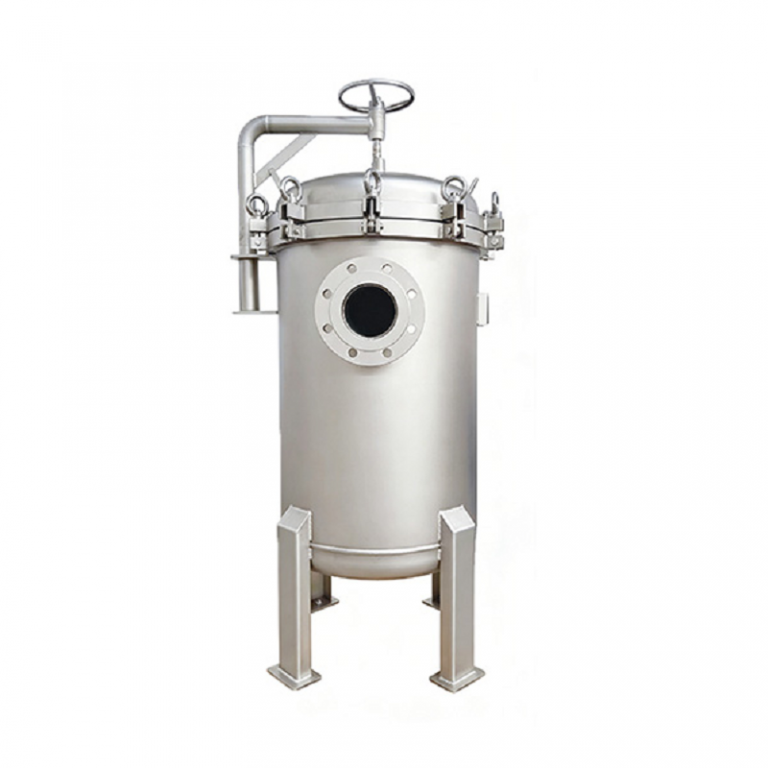
Rocker Arm-Multi-Bag Filter Housing
Rocker Arm-Multi-Bag Filter Housing What Your Maintenance Crew Wishes You’d Order If you’ve ever stood next to a filter housing that requires a wrench, a pry bar, and more patience than anyone on the maintenance team actually has, you already know why the rocker arm design exists. It didn’t come from a marketing brainstorm. It came from operators and technicians who got tired of fighting stuck swing bolts and swollen gaskets on a Tuesday afternoon when production couldn’t afford a half-hour delay. A rocker arm multi-bag filter housing isn’t a radical departure from the core concept of industrial bag filtration. It’s still about sending process fluid through multiple filter bags suspended in a vessel, pulling out particulates, and doing it at a flow rate that makes economic sense. What changes is how quickly and safely a human being can open the thing, swap out spent bags, and get the system back online. That difference alone drives decisions in plants where downtime costs more than any equipment invoice ever will. The Mechanical Difference That Actually Matters Traditional multi-bag housings use swing
What are the technical challenges of high-temperature bearings?
What are the technical challenges of high-temperature bearings? I’ve lost count of how many times a perfectly good high-temperature bearing failed long before its predicted L10 life, and the post-mortem pointed straight back to decisions made months earlier — in a purchasing spreadsheet or a maintenance schedule. If you’re the person signing off on those bearings, or the technician who has to wrestle a seized unit out of a housing at 3 a.m., you already know the datasheet temperature rating is only the beginning of the story. The real technical challenges aren’t hidden inside the bearing itself; they hide in the grey zone where the bearing meets the shaft, the grease, the housing, and the way heat moves — or doesn’t move — through the whole assembly. The grease trap: when “high-temp” ratings mislead Most procurement conversations start with a simple question: “What’s the maximum temperature this grease can handle?” The problem is, that number on the tin — often 260 °C or higher — comes from a laboratory test that bears little resemblance to what happens inside your equipment.