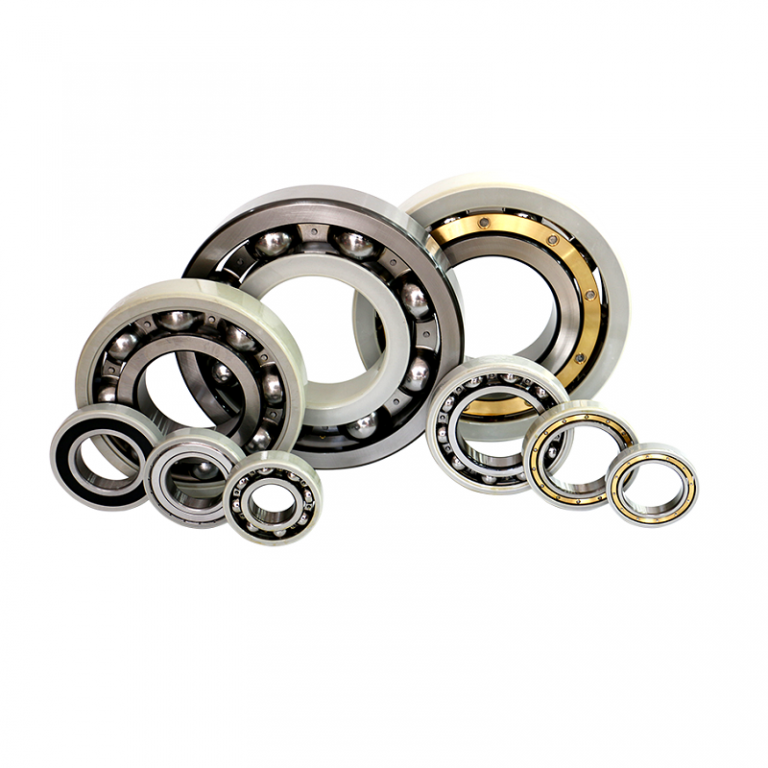
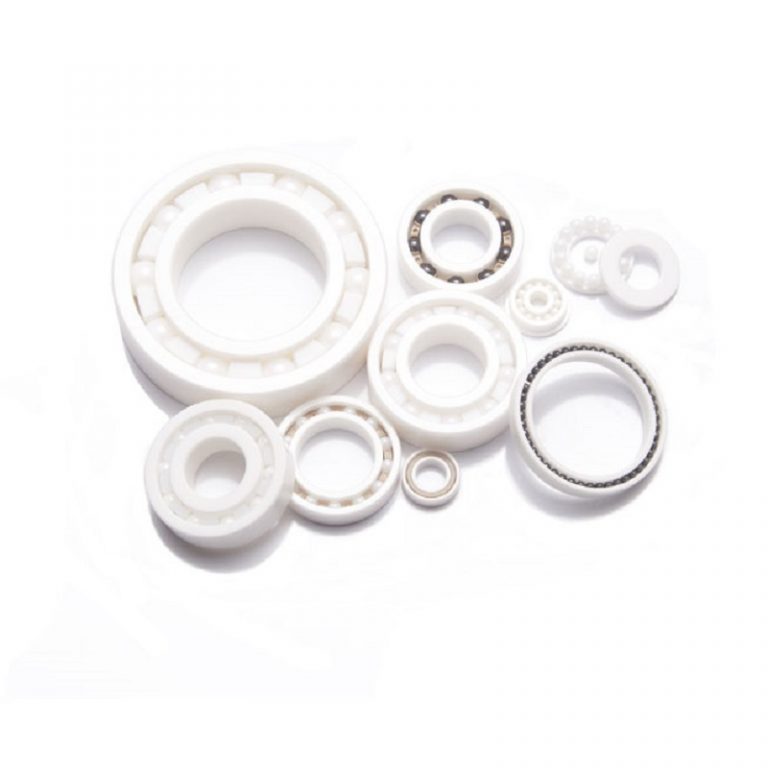
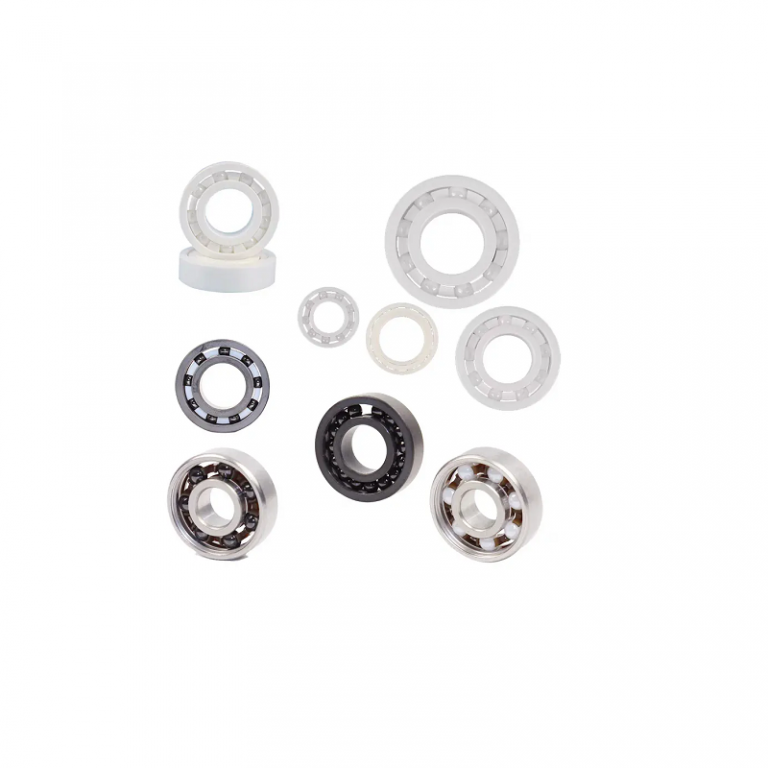
What are high temperature bearings mainly used for?
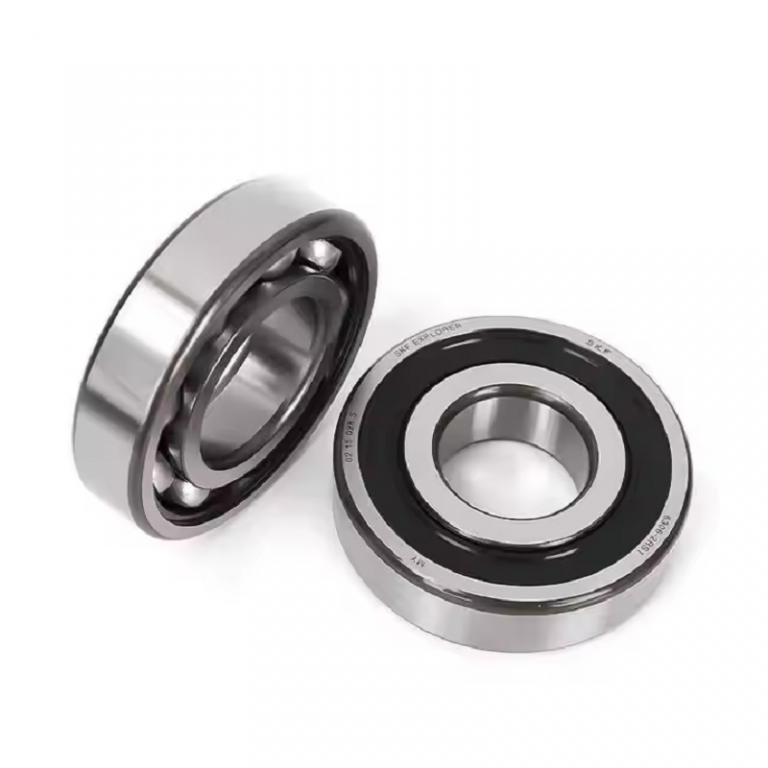
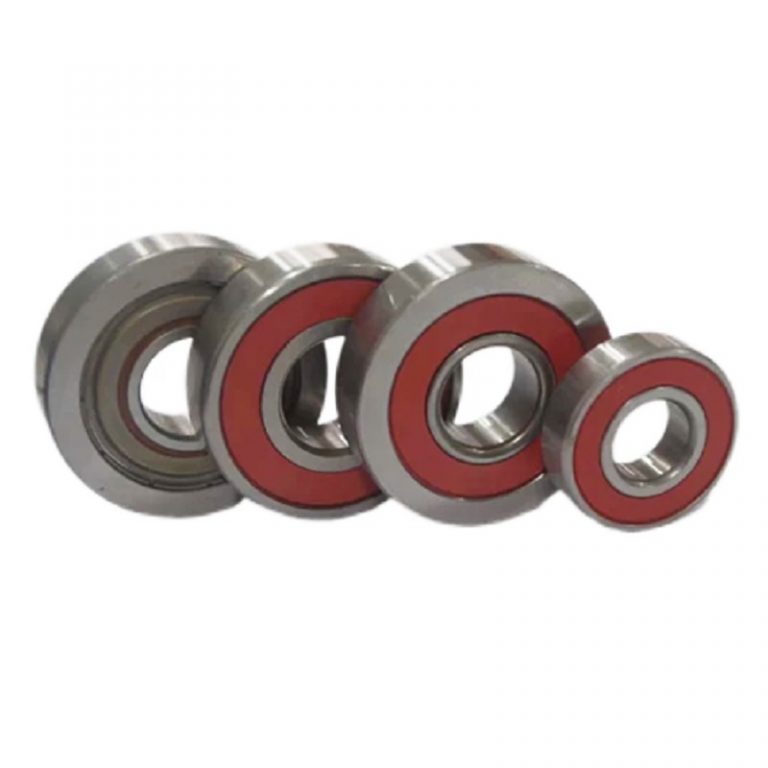
What are high temperature bearings mainly used for? High temperature bearings are primarily used in applications where equipment operates under elevated temperatures that can degrade standard bearings. They are designed to withstand extreme heat, often exceeding 200°C (392°F) and sometimes reaching up to 1000°C (1832°F), depending on the type. Common uses include: 1. Aerospace Engines: Supporting turbine shafts and other components in jet engines and rocket engines, where temperatures are extremely high. 2. Industrial Furnaces and Kilns: Facilitating rotation and movement of parts within high-temperature environments. 3. Power Generation: In gas turbines and other high-temperature turbines. 4. Metal Processing Equipment: Such as rolling mills, where equipment is exposed to intense heat. 5. Chemical and Petrochemical Industries: Where reactors and processing equipment operate at elevated temperatures. 6. Automotive Turbochargers: Which operate under high thermal conditions. Their main function is to maintain reliable operation and longevity in environments where standard bearings would fail due to heat-related degradation. They achieve this through specialized materials, lubricants, and design features that tolerate high temperatures.
How to use a flat bottom paper bag machine?
How to use a flat bottom paper bag machine? Using a flat bottom paper bag machine involves several steps to ensure proper operation and quality output. Here's a general guide: 1. Preparation and Setup:Read the Manual: Before starting, thoroughly read the machine's user manual for specific instructions and safety precautions.Inspect the Machine: Check for any damage, ensure all parts are clean, and that safety devices are in place.Material Loading: Load the paper roll or sheets into the paper feeding section according to the machine's design.Set Parameters: Adjust the machine settings—folding guides, bag size dimensions, glue application, etc.—based on the desired bag size and design. 2. Configuration:Adjust Folders and Creasers: Properly set the fold and crease positions to ensure the bottom is flat and the bag sides are aligned.Apply Glue: If your machine uses glue for sealing, fill the glue tank and set the glue pattern as needed.Set Speed: Adjust the production speed according to material type and desired quality. 3. Running the Machine:Start the Machine: Power on and run the machine at a slow speed to monitor the process.Feed Material:
How to use a square bottom paper bag machine?
How to use a square bottom paper bag machine? Using a square bottom paper bag machine involves several steps to ensure proper operation and high-quality bags. Here's a general guide: 1. PreparationRead the User Manual: Familiarize yourself with the specific model's instructions and safety guidelines.Check Supplies: Ensure you have the correct paper rolls, glue, and any other required materials.Set Up the Machine: Place the machine on a stable surface, connect it to power, and turn it on. 2. Adjust SettingsConfigure Parameters: Adjust the machine’s settings for bag size, gusset width, and bottom fold, according to your requirements.Install Dies & Attachments: Insert the appropriate die cuts or attachments for the desired bag dimensions. 3. Load the PaperFeed Paper Roll: Mount the paper roll onto the machine’s holder, ensuring it unwinds smoothly.Align Paper: Guide the paper properly through the feed rollers, checking for alignment to prevent wrinkles or miscuts. 4. Set Up Gluing & FoldingApply Glue: Ensure the glue applicator is functioning correctly if your machine uses glue for sealing.Adjust Folding Plates: Set the folding plates to form the square bottom and
What is square bottom paper bag machine?
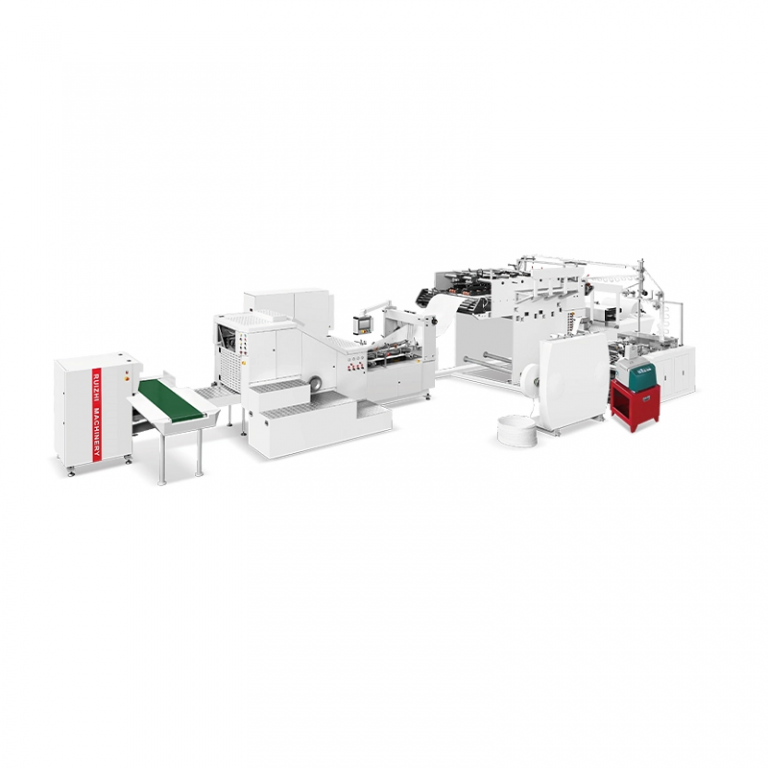
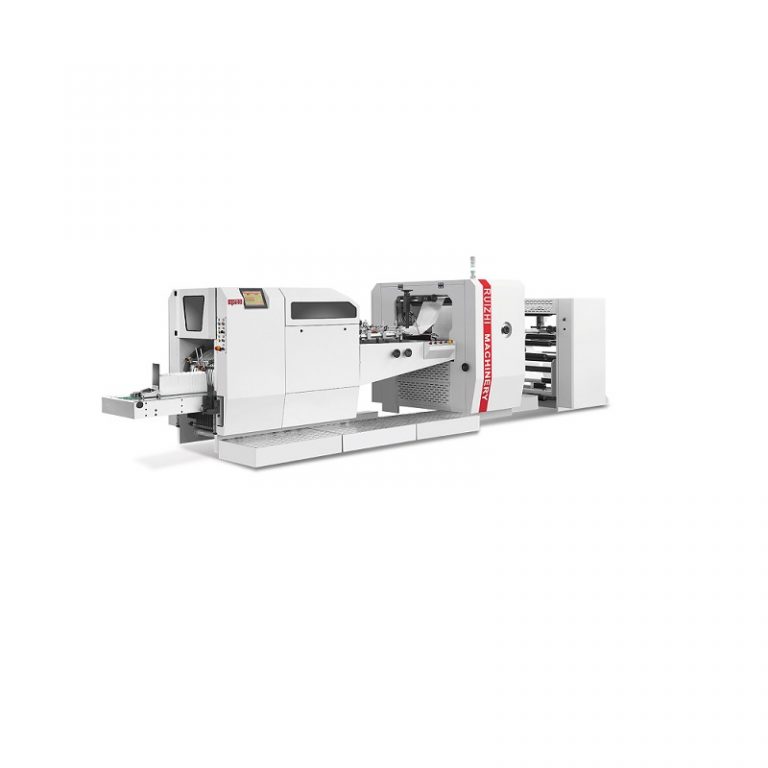
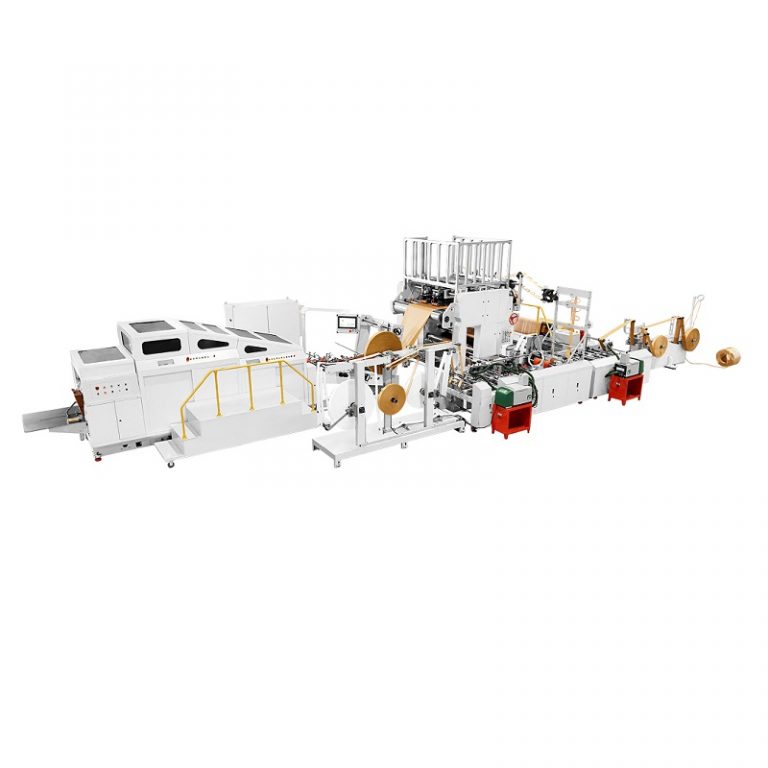
What is square bottom paper bag machine? A square bottom paper bag machine is a specialized industrial equipment used to manufacture paper bags with a flat, square-shaped bottom. These bags are commonly used for packaging food items, bakery products, retail goods, and more, thanks to their sturdy construction and attractive appearance. Key features of a square bottom paper bag machine include: Automatic production: The machine automates the process of forming, folding, gluing, and sealing the paper bags, improving efficiency and consistency.Square bottom formation: It precisely folds and glues the paper to create a stable, square-shaped base, allowing the bag to stand upright.Adjustable settings: Operators can customize bag size, bottom size, and handle options depending on the model.High-speed output: Many models are capable of producing hundreds of bags per minute, suitable for large-scale manufacturing. Main components typically include: Paper feeding systemFolding and gluing unitsBottom forming sectionCutting and sealing mechanismsOptional handle attaching modules Applications:These machines are widely used in packaging industries for producing retail shopping bags, gift bags, bakery bags, and other types of paper containers. In summary:A square bottom paper bag
What is flat bottom paper bag machine?
What is flat bottom paper bag machine? A flat bottom paper bag machine is a specialized industrial equipment used to produce flat bottom paper bags, commonly used for packaging groceries, bakery items, and other products. Key features of a flat bottom paper bag machine include: Automated Production: It automates the process of forming, folding, and sealing paper bags, increasing efficiency and consistency.Bag Formation Process: The machine typically starts with rolls of paper, which are fed into the system. It cuts and folds the paper to create the rectangular or square-shaped bottom, resulting in a flat-bottomed bag.Customization: It allows customization of bag size, handle attachment, and printing if needed.Applications: Widely used in food packaging, retail, and industrial sectors for producing sturdy paper bags that can stand upright. Advantages: High production speedConsistent qualityVersatility in bag sizes and designsEco-friendly packaging option In summary: A flat bottom paper bag machine simplifies and speeds up the manufacturing of durable, standing paper bags suitable for various retail and food service applications. .
What is Corrosion-resistant Self-priming Pump?
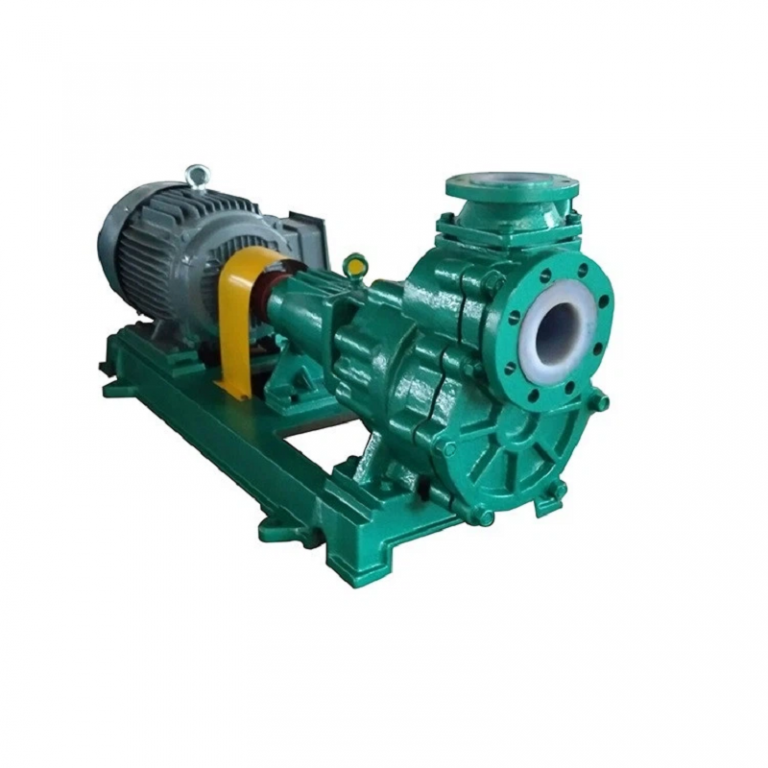
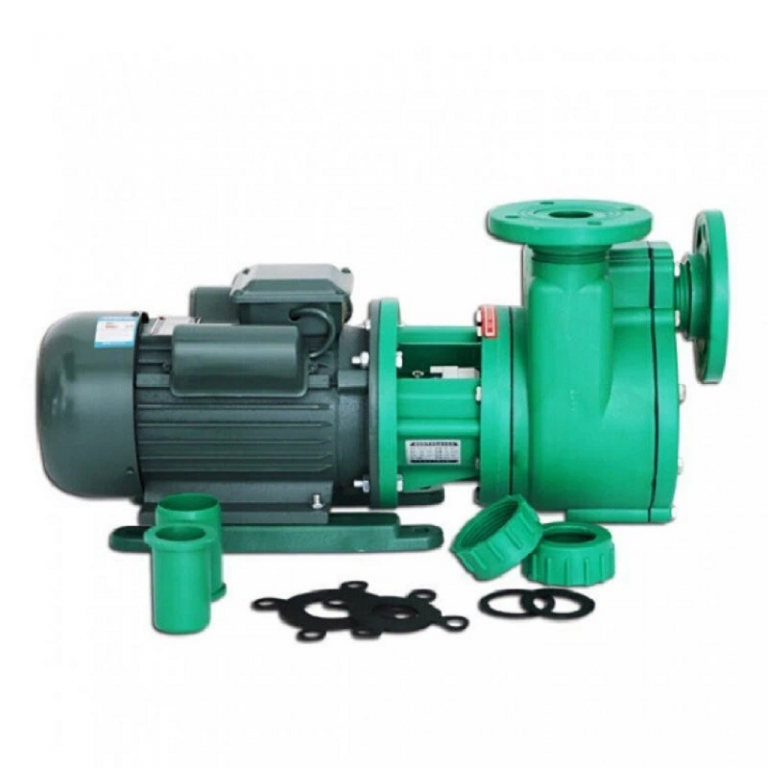
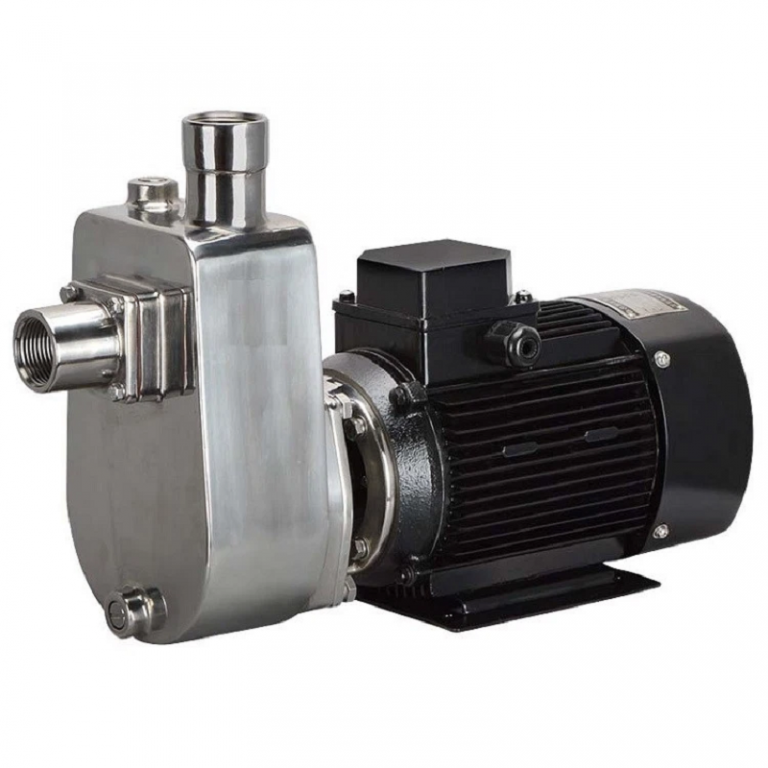
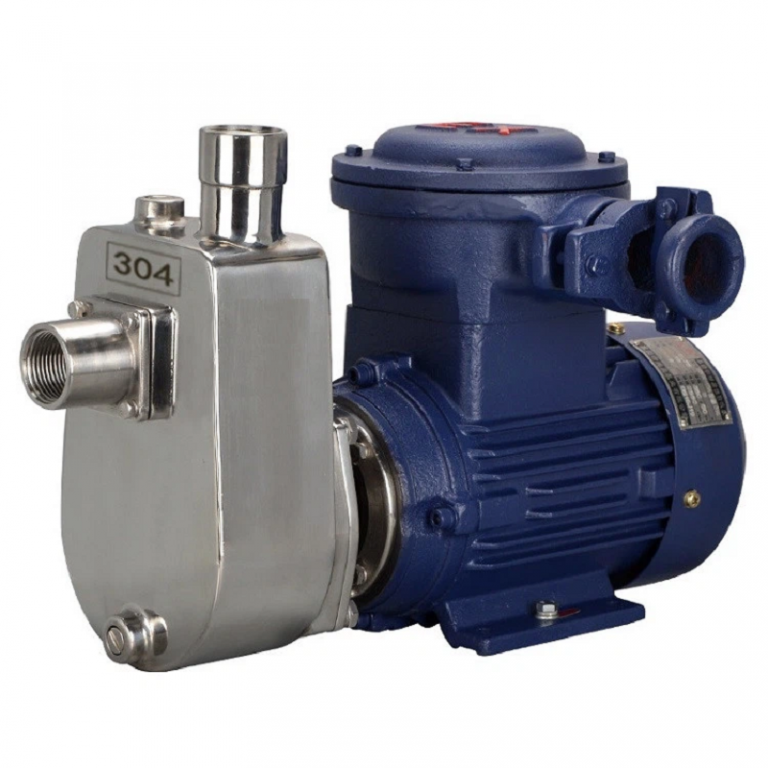
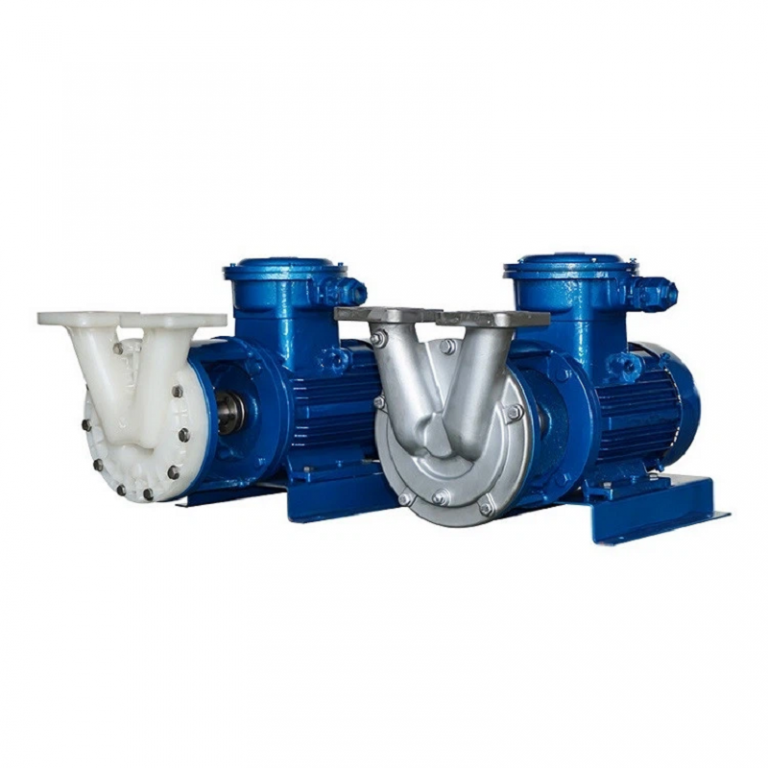
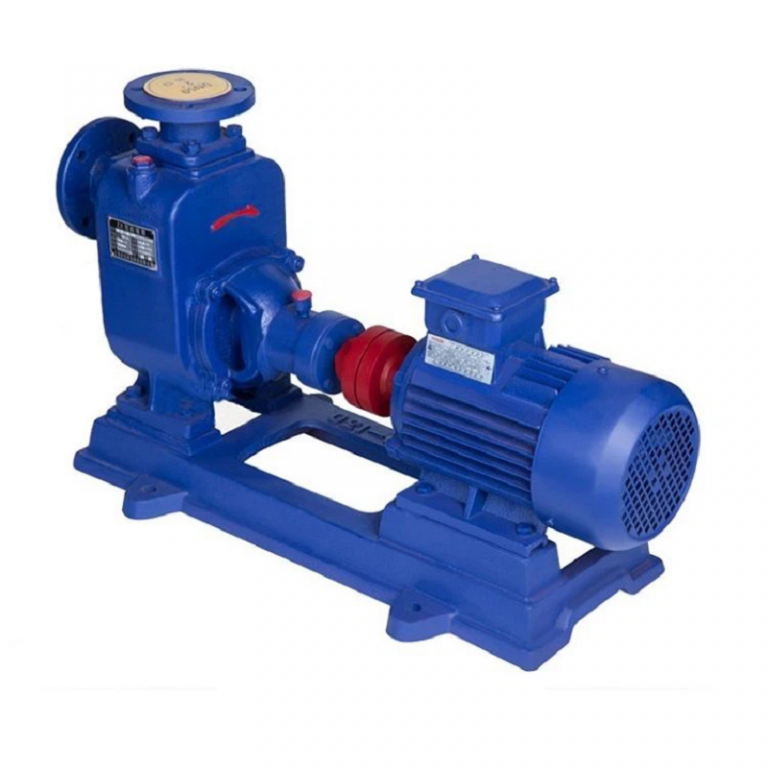
What is Corrosion-resistant Self-priming Pump? A Corrosion-Resistant Self-Priming Pump is a type of pump designed to handle fluids that may cause corrosion while also being capable of priming itself automatically. Here's a breakdown of the key features: Key Features: 1. Corrosion Resistance:- Made from materials such as stainless steel, thermoplastics, or specially coated metals that resist degradation when in contact with corrosive fluids (e.g., acids, alkalis, seawater). 2. Self-Priming Capability:- Can evacuate air from the pump and suction line to establish a prime without manual intervention, enabling the pump to start pumping fluids automatically after initial setup. 3. Application Suitability:- Ideal for transferring aggressive chemicals, seawater, or other corrosive liquids in industries like chemical processing, water treatment, marine operations, and agriculture. How It Works: - The pump's design allows it to draw in air and then displace it with the fluid, creating a continuous flow.- The corrosion-resistant materials ensure durability and longevity when handling corrosive substances. Benefits: - Reduced maintenance due to corrosion resistance.- Easier start-up with self-priming feature.- Suitable for challenging environments with aggressive fluids. In summary, a Corrosion-Resistant
What is Vacuum Strong Self-priming Pump?
What is Vacuum Strong Self-priming Pump? A Vacuum Strong Self-Priming Pump is a specialized type of pump designed to efficiently move fluids by creating a strong vacuum that facilitates self-priming. Unlike conventional pumps that require manual priming to remove air from the pump and suction line, self-priming pumps are engineered to automatically evacuate air, allowing them to start pumping fluids without external assistance. Key Features of Vacuum Strong Self-Priming Pumps:1. Self-Priming Capability: They can draw fluid from a level below the pump without manual priming, making them suitable for applications where the fluid source is below pump level.2. Strong Vacuum Generation: They can create a high vacuum, enabling the transfer of fluids over longer distances or heights.3. Design: Typically, these pumps incorporate a special chamber or mechanism that retains a small amount of fluid to facilitate the re-establishment of the prime automatically after initial startup or minor interruptions.4. Applications: Used in industries such as agriculture (irrigation), water transfer, sewage, drainage, firefighting, and chemical processing where reliable self-priming and strong vacuum capabilities are required. How They Work:- When started, the pump's
What is Self-priming Centrifugal Pump?
What is Self-priming Centrifugal Pump? A self-priming centrifugal pump is a type of pump designed to automatically remove air from its suction line and develop a continuous flow of liquid without requiring manual priming before startup. Unlike standard centrifugal pumps, which need to be filled with liquid to operate properly, self-priming pumps can restore their prime after dry running or when air enters the system. Key Features of Self-Priming Centrifugal Pumps: 1. Built-in Priming Chamber: They incorporate a special design with an air separation chamber or a built-in foot valve and a partially sealed volute, which allows air to be separated from the liquid and expelled, enabling the pump to prime itself. 2. Automatic Priming: Once started, the pump evacuates air from its suction line and creates the necessary vacuum to draw in liquid, making it suitable for applications where manual priming is inconvenient or impossible. 3. Versatile Applications: Used in irrigation, firefighting, chemical transfer, and other industries where the suction line may contain air or where quick startup is essential. 4. Design Variations: Self-priming pumps can be horizontal or
What types of paper bag machines are there?
What types of paper bag machines are there? Paper bag machines come in various types, designed to produce different styles of paper bags suited for various applications. The main types of paper bag machines include: 1. Semi-Automatic Paper Bag Machines: These machines require manual input for certain processes but automate others like folding and sealing. Suitable for small to medium production runs. Common for making flat-bottom or side-gusseted bags. 2. Automatic Paper Bag Machines: Fully automated systems that handle the entire process from feeding paper rolls to forming, filling, and sealing. High-speed production with consistent quality. Used for large-scale manufacturing of various bag types. 3. Flat Paper Bag Machines: Designed to produce flat-bottom paper bags. Often used for shopping bags, gift bags, or food packaging. Can be semi-automatic or automatic. 4. Gusseted Paper Bag Machines: Specialized in making bags with side gussets, allowing them to expand and hold more content. Used for grocery bags, snack bags, and similar applications. 5. Square Bottom (Satchel) Bag Machines: Produce bags with a rectangular or square bottom, providing a sturdy base. Popular for bakery,
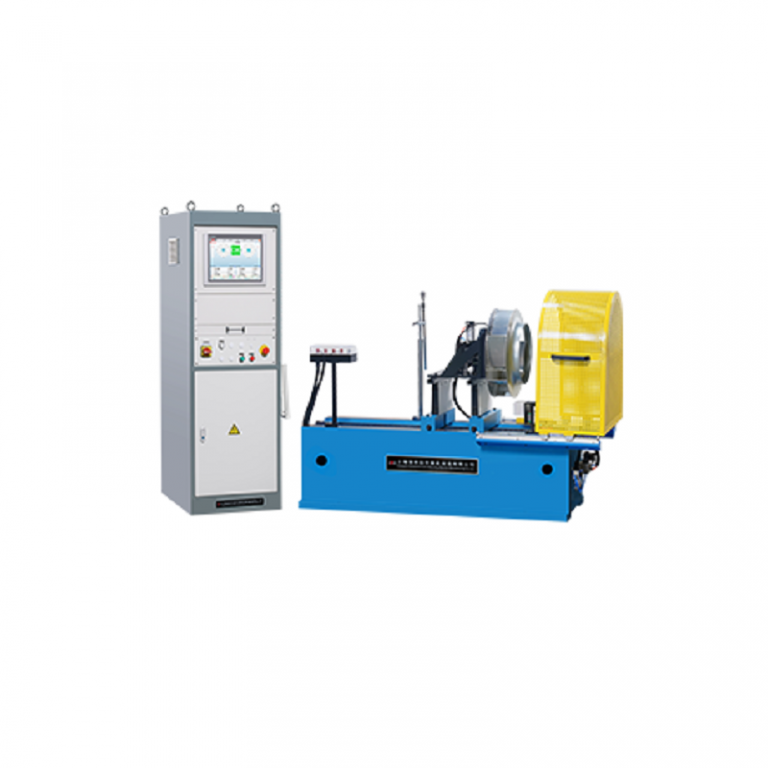
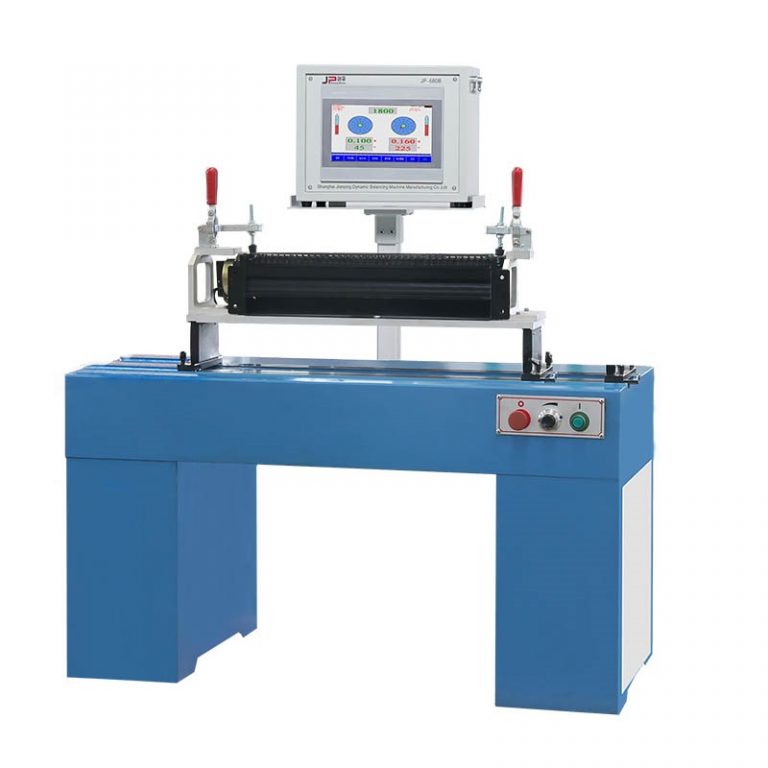
What is Kitchen Exhaust Fan Balancer and how to use it?
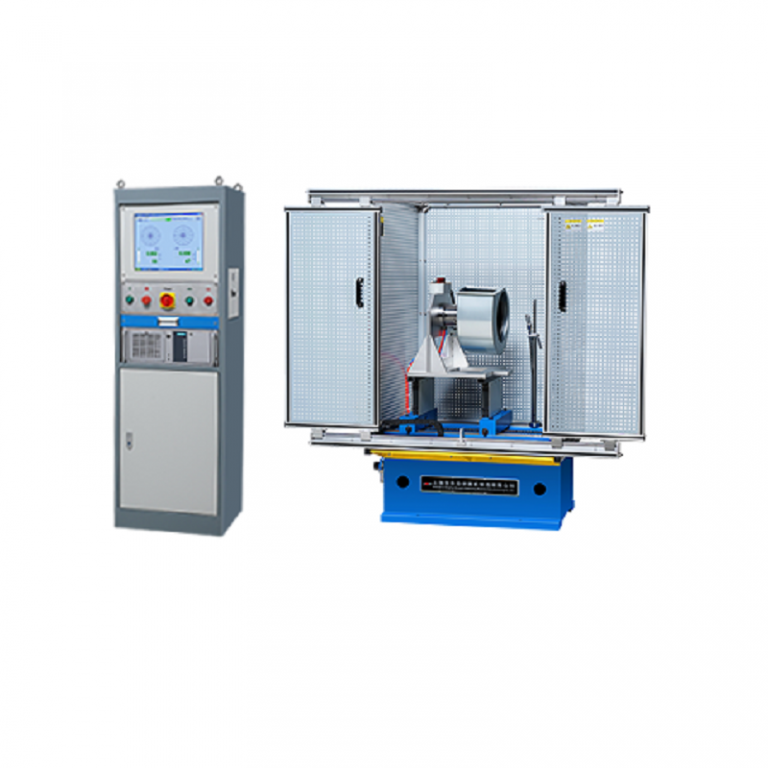
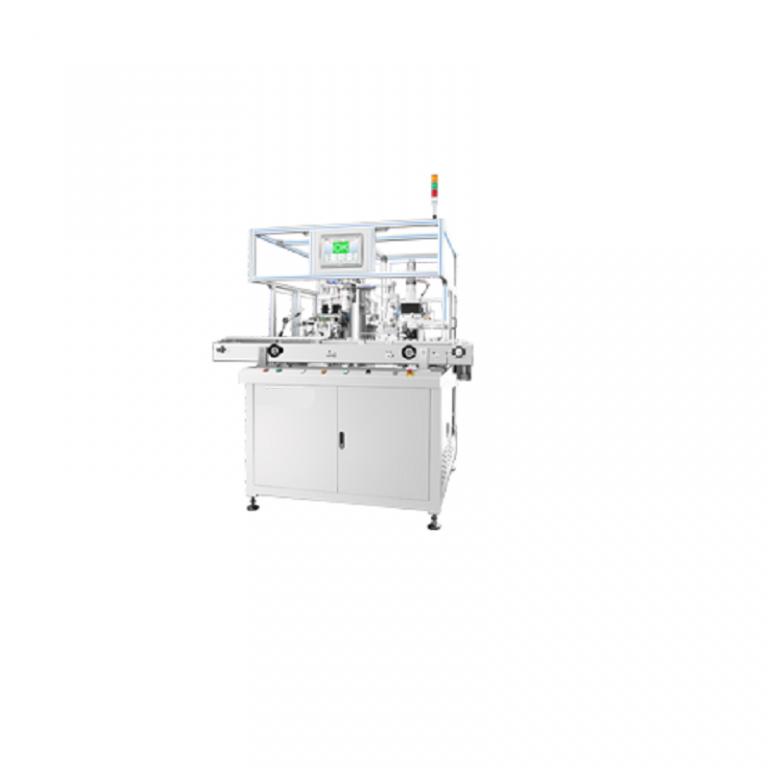
What is Kitchen Exhaust Fan Balancer and how to use it? A Kitchen Exhaust Fan Balancer is a device or tool designed to help ensure that your kitchen exhaust fan operates smoothly and efficiently by balancing the airflow and reducing vibrations or noise caused by uneven fan blade rotation or misalignment. What is a Kitchen Exhaust Fan Balancer?It typically refers to either:A balancing device or kit used to correct imbalance in the fan blades or motor.A visual tool to help align the fan components correctly.Or, in some cases, a weighted balancing ring that can be attached to the fan blades to achieve proper balance. Why is it important?Reduces vibrations and noise.Prevents premature wear of fan components.Improves airflow efficiency.Extends the lifespan of the exhaust fan. How to Use a Kitchen Exhaust Fan Balancer 1. Turn Off and Unplug the FanBefore starting, ensure the fan is switched off and disconnected from power for safety. 2. Inspect the Fan BladesCheck for any visible damage, dirt, or debris.Look for uneven blade wear or bending. 3. Remove the Fan Cover or GrillAccess the blades and