Mobile

+86 18018607834

WhatsApp

+86 18018607834

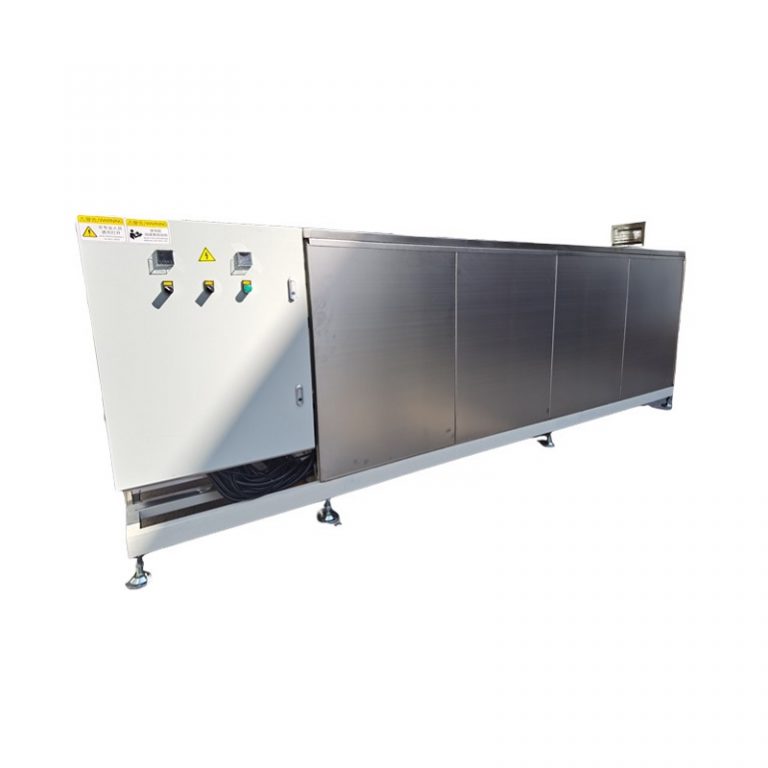
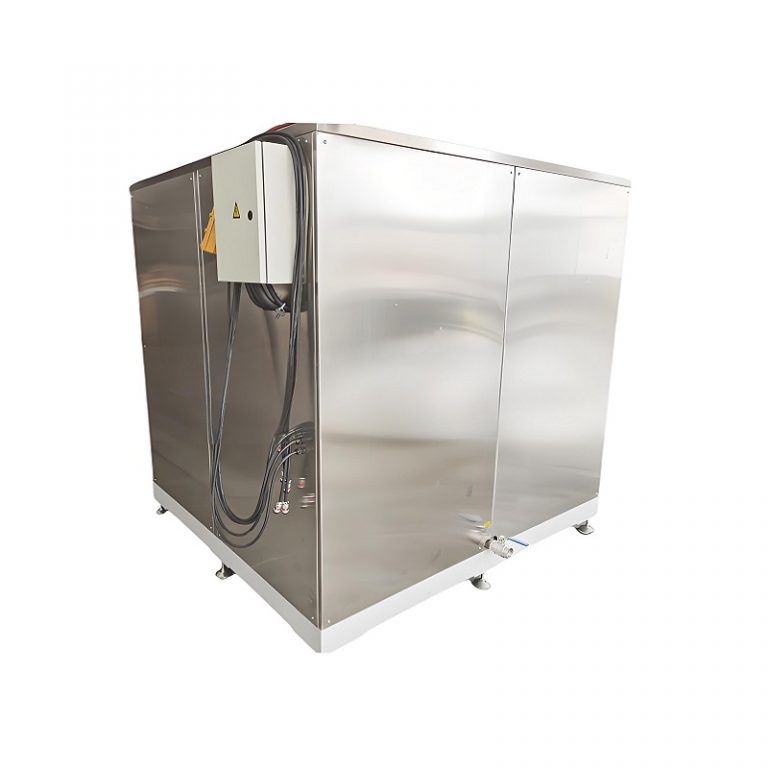
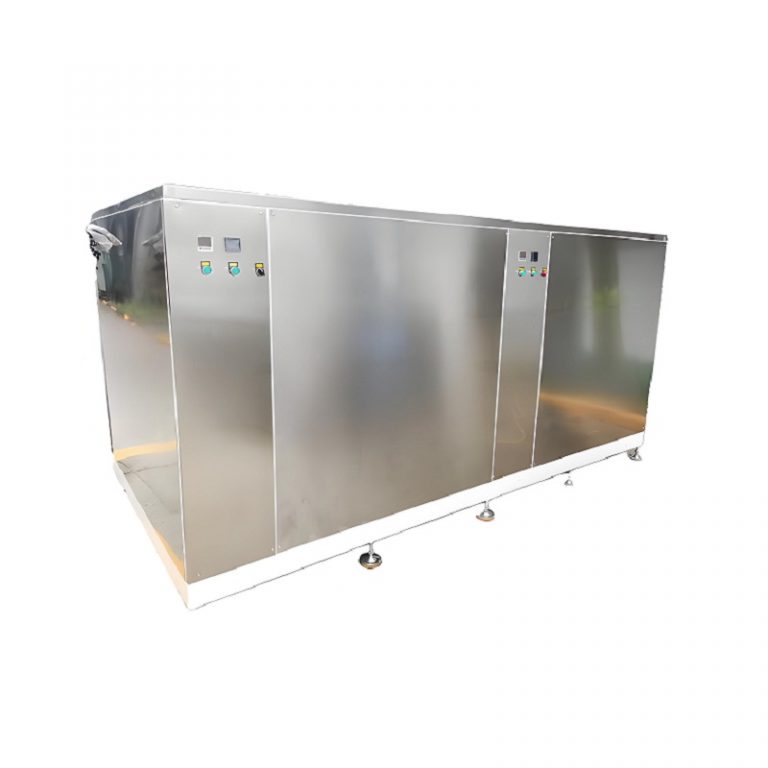
Fully Automatic Rotary Solvent Cleaning Machine

Fully Automatic Rotary Solvent Cleaning Machine

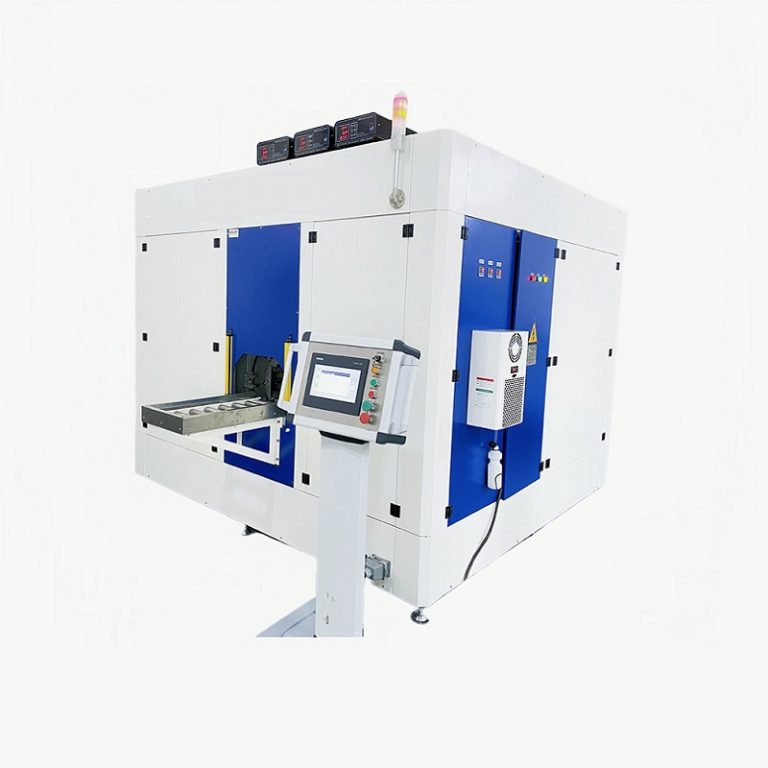
Fully Automatic Rotary Solvent Cleaning Machine A fully automatic rotary solvent cleaning machine is an advanced industrial equipment designed for efficient cleaning and degreasing of parts using solvent-based processes. It automates the entire cleaning cycle, including loading, cleaning, rinsing, drying, and unloading, minimizing manual intervention and ensuring consistent results. Product Overview Technical Parameter Features Related Video Contact us Key Features: Rotary Drum System: The machine uses a rotating drum or basket to hold parts, ensuring uniform exposure to cleaning solvents. Automation: Fully automated controls for cycle timing, temperature, and solvent circulation. Solvent Management: Integrated systems for solvent heating, filtration, and recovery to optimize cleaning efficiency and reduce solvent consumption. Safety Features: Explosion-proof design, solvent vapor extraction, and safety interlocks to ensure operator safety. Environmental Compliance: Equipped with solvent recovery and filtration systems to minimize emissions and comply with environmental regulations. Applications: Aerospace component cleaning Automotive parts degreasing Precision instrument cleaning Electronics manufacturing Advantages: High cleaning efficiency Reduced labor costs Consistent quality Reduced solvent usage and emissions Shorter cycle times If you're interested in purchasing or learning more about fully automatic rotary solvent cleaning machines, I recommend consulting specialized manufacturers or suppliers who can tailor solutions to your specific needs. Main Technical Parameters Equipment Parameters SYK-800XS-V

Read More »
Centrifugal Impeller Vacuum Turbo Compressor

Centrifugal Impeller Vacuum Turbo Compressor with CE Certificates China Supplier

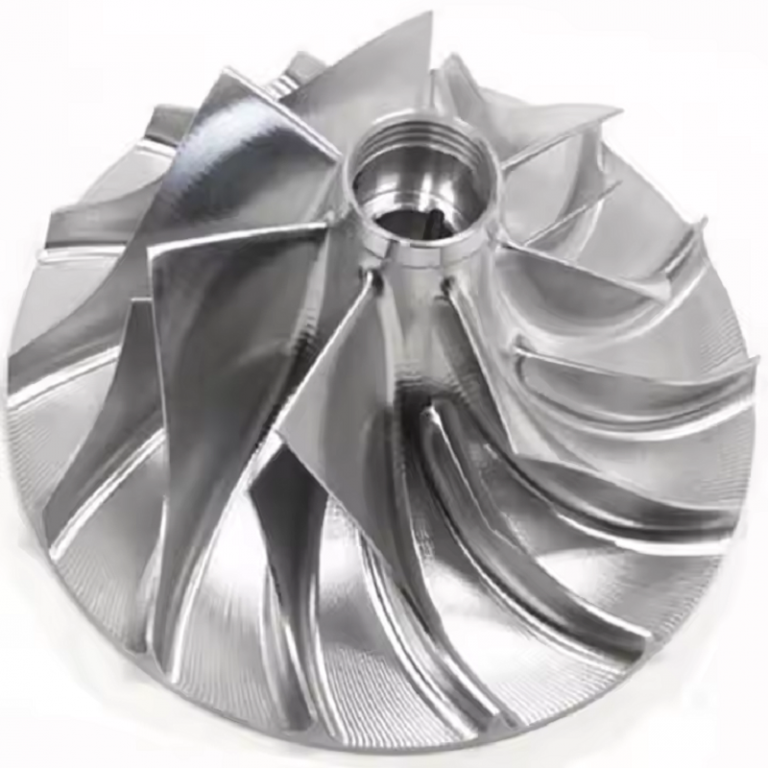
Centrifugal Impeller Vacuum Turbo Compressor with CE Certificates China Supplier A Centrifugal Impeller Vacuum Turbo Compressor is a critical component in turbo compressor systems designed to enhance vacuum creation or compression of gases. It consists of blades or vanes mounted on a rotating shaft, which accelerates the gas flow through centrifugal force, increasing its pressure and velocity. Product Overview Product Advantages Technical Parameter Features Related Video Contact us Key Features: Design: Usually radial or mixed-flow blades optimized for high efficiency. Material: Often made from high-strength alloys, stainless steel, or composites to withstand high rotational speeds and corrosive environments. Function: Converts mechanical energy from a motor into kinetic energy, which then compresses or evacuates gases in vacuum systems. Applications: Industrial vacuum systems Gas compression in chemical plants Turbo-molecular pumps Aerospace and propulsion systems Maintenance Tips: Regular inspection for wear or damage Balancing the impeller to prevent vibrations Proper lubrication and bearing checks Cleaning to prevent buildup of deposits If you need images or detailed specifications, I recommend consulting technical datasheets or manufacturers specializing in vacuum turbo compressors. Would you like me to help you find images or more technical information? Contact Information Emailbaheindustry@163.com Tel+86 18018607834 AddressNo. 779 Changhong Rd., Baoshan District, Shanghai China Name

Read More »
36V ELECTRIC PRUNING SHEAR

How to use Electric Pruning Shear?

How to use electric pruning shear? An Electric Pruning Shear is a powered gardening tool designed to make pruning plants, shrubs, and small trees easier and more efficient. Unlike manual pruning shears, these electric tools use a motor to assist or fully automate the cutting process, reducing physical effort and increasing precision. Features of Electric Pruning Shears typically include: Battery-powered operation for portability Sharp, durable blades for clean cuts Adjustable cutting speed and power settings Ergonomic handle for comfortable use Safety features such as blade locks and safety switches Uses: Pruning branches and stems quickly Harvesting fruits and vegetables Maintaining garden aesthetics Pruning in professional horticulture and landscaping Advantages: Saves time and effort Provides cleaner cuts, promoting plant health Suitable for large-scale pruning tasks Note: When choosing an electric pruning shear, consider battery life, blade quality, weight, and safety features to ensure it meets your gardening needs. If you'd like a visual or more detailed information, feel free to ask! Using electric pruning shears properly ensures safe and efficient trimming of plants. Here's a step-by-step guide: 1. Read the Manual: Before use, thoroughly read the manufacturer's instructions and safety guidelines specific to your electric pruning shear model. 2. Wear Safety

Read More »
Plastic injection mold cleaning machine

Plastic injection mold cleaning machine

Plastic injection mold cleaning machine A plastic injection mold cleaning machine is a specialized equipment designed to efficiently clean and maintain molds used in plastic injection molding processes. These machines help remove residual plastic, dirt, grease, and other contaminants from the mold surfaces, ensuring high-quality molded parts and extending the lifespan of the molds. Product Overview Product Advantages Technical Parameter Features Related Video Contact us Types of Plastic Injection Mold Cleaning Machines: Ultrasonic Cleaners: Utilize high-frequency sound waves to gently remove contaminants from mold surfaces, especially effective for intricate and detailed molds. Vapor Degreasing Machines: Use solvent vapors to clean mold surfaces without disassembly. Hot Air/Steam Cleaners: Use heated air or steam to loosen and remove residues. Automated Cleaning Systems: Integrate multiple cleaning stages for efficient, repeatable cleaning cycles suitable for high-volume production. Features to Consider: Compatibility with various mold sizes and materials Ease of operation and automation capabilities Safety features such as vapor containment and ventilation Environmental considerations, such as eco-friendly cleaning agents Benefits of Using a Mold Cleaning Machine: Improved mold lifespan Reduced downtime and maintenance costs Consistent product quality Enhanced safety by minimizing manual cleaning processes If you are interested in purchasing or learning more about specific models, manufacturers, or technical

Read More »
Wind Turbine Gearbox Parts Cleaning Machine

Wind Turbine Gearbox Parts Cleaning Machine

Wind Turbine Gearbox Parts Cleaning Machine A Wind Turbine Gearbox Parts Cleaning Machine is specialized equipment designed to thoroughly clean various gearbox components used in wind turbines. These machines ensure that parts such as gears, bearings, shafts, and housings are free from dirt, grease, oil residues, metal shavings, and other contaminants that can affect performance and longevity. Product Overview Product Advantages Technical Parameter Features Related Video Contact us Key Features of a Wind Turbine Gearbox Parts Cleaning Machine: Multi-Stage Cleaning Processes: Often includes degreasing, rinsing, and drying stages to ensure comprehensive cleaning. Ultrasonic Cleaning: Uses high-frequency sound waves to remove stubborn dirt and grease from intricate parts. Automated Handling: Automates loading, cleaning, and unloading to improve efficiency and safety. Temperature Control: Maintains optimal cleaning solutions and drying temperatures. Eco-Friendly Solutions: Uses biodegradable detergents and closed-loop systems to minimize environmental impact. Customizable Settings: Allows adjustment based on part size, material, and contamination level. Typical Components of the Machine: Cleaning Chamber: Where parts are immersed and cleaned. Ultrasonic Transducers: Generate ultrasonic waves for deep cleaning. Spray Nozzles: Provide high-pressure cleaning solutions. Drying Unit: Uses hot air or other methods to dry parts post-cleaning. Conveyor System: Facilitates continuous operation and movement of parts. Control Panel: For operation settings and process monitoring. Benefits: Improves the reliability

Read More »
2-ton die casting mold cleaning machine

2-ton die casting mold cleaning machine

2-ton die casting mold cleaning machine A 2-ton die casting mold cleaning machine is a specialized equipment designed to clean large molds used in die casting processes, particularly those weighing around 2 tons. These machines help remove residues like casting sand, oxide layers, and leftover materials from molds to ensure high-quality casting and prolong mold lifespan. Product Overview Product Advantages Technical Parameter Features Related Video Contact us Key Features of a 2-Ton Die Casting Mold Cleaning Machine: High Capacity: Capable of handling large molds weighing up to 2 tons. Cleaning Methods: Often utilize ultrasonic, vibratory, or dry ice blasting techniques for thorough cleaning. Automation: Many models come with automated controls for consistent cleaning cycles. Efficiency: Designed to reduce cleaning time and improve mold turnaround. Safety: Incorporate safety features like protective shields and emergency stops. Common Types: Ultrasonic Cleaning Machines: Use high-frequency sound waves to remove contaminants. Dry Ice Blasting Machines: Use compressed CO2 pellets to clean without water or chemicals. Vibratory Tumblers: Employ vibration and abrasive media for cleaning. Considerations When Choosing a Machine: Mold size and weight capacity Type of contaminants Cleaning method preference Integration with existing production lines Budget and maintenance costs If you're interested in purchasing or learning more about a specific model, I recommend

Read More »
high temperature zirconium bearing

What is high temperature zirconium bearing?

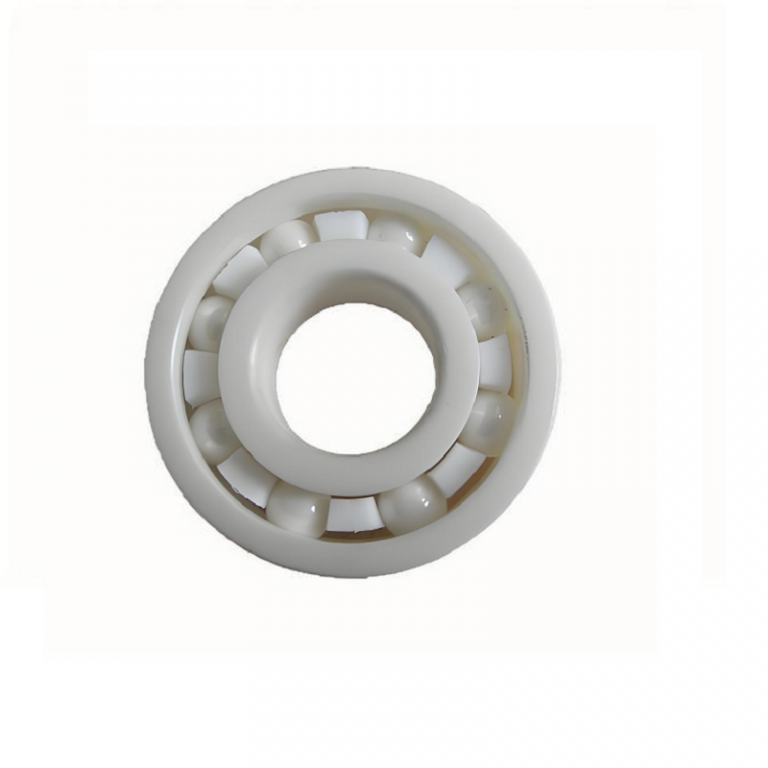
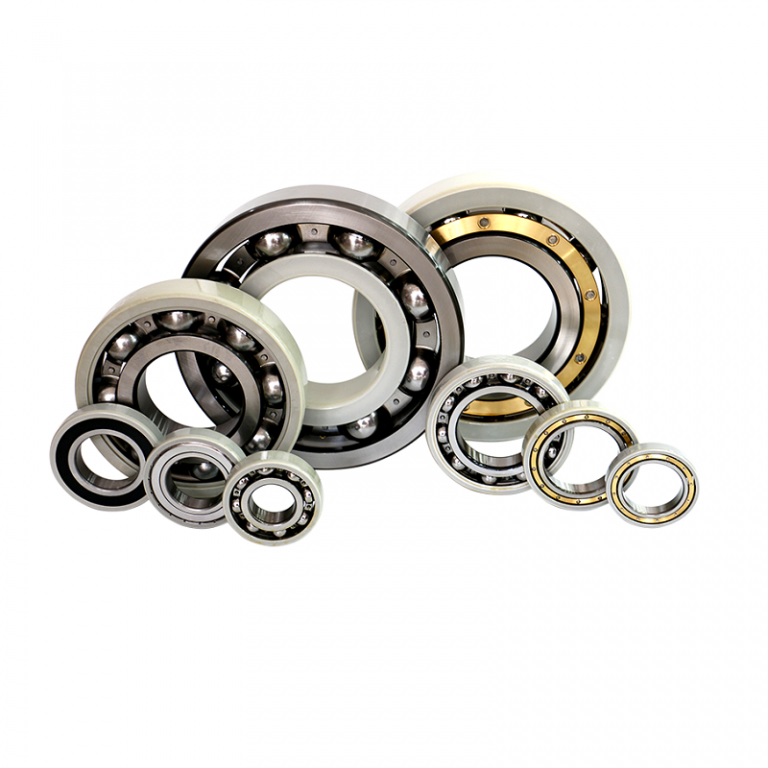
What is high temperature zirconium bearing? A high-temperature zirconium bearing is a type of bearing made from zirconium or zirconium alloys designed to operate reliably under elevated temperature conditions. These bearings are used in applications where high thermal stability, corrosion resistance, and mechanical strength are required, such as in aerospace, nuclear reactors, chemical processing, or high-performance engines. Key features of high-temperature zirconium bearings include: High Thermal Stability: Zirconium maintains its mechanical properties at elevated temperatures, often exceeding 600°C, making it suitable for high-temperature environments. Corrosion Resistance: Zirconium exhibits excellent resistance to corrosion and oxidation, especially in aggressive chemical or radioactive environments. Mechanical Strength: Zirconium alloys provide good strength and wear resistance at high temperatures. Low Friction and Wear: Properly designed zirconium bearings can offer low friction coefficients, essential for minimizing wear during operation. Applications: Nuclear reactors (e.g., as components in fuel rod cladding or bearing elements) Aerospace components exposed to high temperatures Chemical processing equipment where chemical resistance is critical High-performance machinery requiring durable, heat-resistant bearings In summary, high-temperature zirconium bearings are specialized components engineered for demanding environments where conventional bearing materials would fail due to heat, corrosion, or mechanical stress.

Read More »
high temperature insulated bearing

High Temperature Insulated Bearing

High Temperature Insulated Bearing A high-temperature insulated bearing is a type of bearing designed to operate reliably in environments with elevated temperatures. These bearings are specially engineered to withstand thermal stresses, prevent electrical arcing, and maintain lubrication and performance at high temperatures. They are commonly used in applications such as electric motors, turbines, aerospace, and industrial machinery where standard bearings would fail due to heat. Product Overview Product Advantages Technical Parameter Features Related Video Contact us Key features of high-temperature insulated bearings include: High-Temperature Materials: Made from heat-resistant steels, ceramics, or composite materials that can endure elevated temperatures without losing strength. Insulation: Incorporate insulating coatings or materials (such as polymer or ceramic coatings) to prevent electrical current passage that could cause damage. Lubrication: Use of high-temperature lubricants like solid lubricants or high-performance greases suitable for extreme heat. Design Considerations: Modified seals, cages, and clearances to accommodate thermal expansion and prevent contamination. Common types: High-temperature ball bearings High-temperature roller bearings Insulated bearings with ceramic insulators or polymer coatings Applications: Electric motors and generators Aerospace components Heat treatment equipment High-temperature industrial machinery If you need more specific information or technical specifications, please let me know! Contact Information Emailbaheindustry@163.com Tel+86 18018607834 AddressNo. 779 Changhong Rd., Baoshan District,

Read More »
high temperature insulated bearing

What is high temperature insulated bearing?

What is high temperature insulated bearing? A high-temperature insulated bearing is a type of bearing designed to operate reliably in environments with elevated temperatures. These bearings feature specialized insulation materials and construction methods to prevent electrical currents from passing through the bearing, which can cause damage such as electrical arcing, pitting, or premature failure. Key features of high-temperature insulated bearings include: 1. Insulation Layers: They are equipped with insulating coatings or materials (such as ceramic, polymer, or composite insulators) applied to the bearing rings and rolling elements to prevent electrical conductivity. 2. High-Temperature Materials: Components are made from heat-resistant materials that can withstand high operational temperatures without degrading, such as advanced ceramics, high-temperature steels, or special lubricants. 3. Electrical Resistance: They provide high electrical resistance to reduce the risk of electrical discharge, especially in applications involving electrical motors, generators, or equipment with significant electrical currents. 4. Applications: These bearings are used in high-temperature environments like electric motors, turbines, industrial furnaces, and power generation equipment, where electrical insulation and heat resistance are critical for reliable operation. In essence, high-temperature insulated bearings are crucial for preventing electrical damage and ensuring the longevity and efficiency of machinery operating under extreme thermal and electrical

Read More »
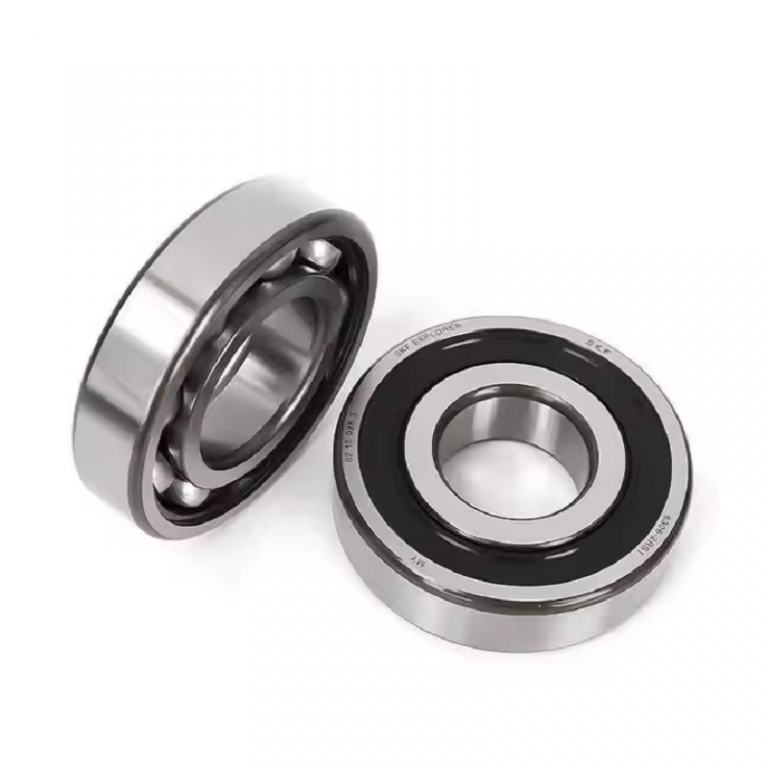
High Precision High Temperature Resistant Bearing With Stainless Steel Seal 6200 2Z2RS1 Customizable Deep Groove Ball Bearing

What are high temperature bearings mainly used for?

What are high temperature bearings mainly used for? High temperature bearings are primarily used in applications where equipment operates under elevated temperatures that can degrade standard bearings. They are designed to withstand extreme heat, often exceeding 200°C (392°F) and sometimes reaching up to 1000°C (1832°F), depending on the type. Common uses include: 1. Aerospace Engines: Supporting turbine shafts and other components in jet engines and rocket engines, where temperatures are extremely high. 2. Industrial Furnaces and Kilns: Facilitating rotation and movement of parts within high-temperature environments. 3. Power Generation: In gas turbines and other high-temperature turbines. 4. Metal Processing Equipment: Such as rolling mills, where equipment is exposed to intense heat. 5. Chemical and Petrochemical Industries: Where reactors and processing equipment operate at elevated temperatures. 6. Automotive Turbochargers: Which operate under high thermal conditions. Their main function is to maintain reliable operation and longevity in environments where standard bearings would fail due to heat-related degradation. They achieve this through specialized materials, lubricants, and design features that tolerate high temperatures.

Read More »