Mobile

+86 18018607834

WhatsApp

+86 18018607834

Rocker Arm-Multi-Bag Filter Housing

Rocker Arm-Multi-Bag Filter Housing

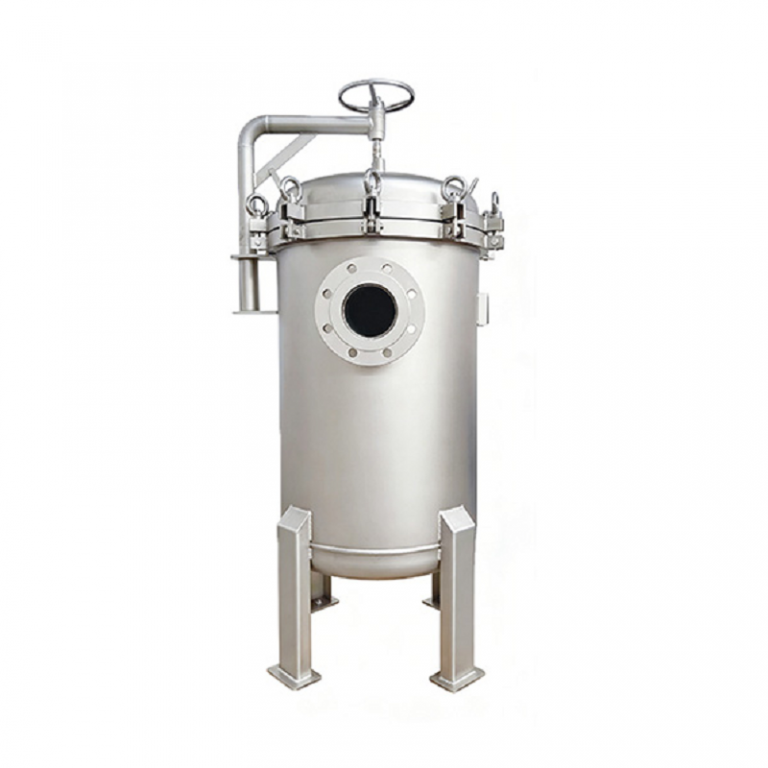
Rocker Arm-Multi-Bag Filter Housing Rocker Arm Multi-Bag Filter Housing refers to a specific type of industrial liquid filtration vessel designed for high-flow applications. The term "Rocker Arm" defines the mechanism used to seal the lid and secure multiple filter bags inside the housing. A multi-bag filter housing is a pressure vessel that holds multiple filter bags (typically 3 to 24 bags) in parallel. This allows for high flow rates and large solids-holding capacity within a single unit, eliminating the need for multiple single-bag housings. They are widely used in water treatment, chemicals, petrochemicals, food & beverage, and paints/coatings. Product Overview Technical Parameter Applications Related Video Contact us Key Advantages of the Rocker Arm Design Speed of Operation: Opening and closing is much faster than tightening 6–12 individual swing bolts, drastically reducing downtime during bag change-outs. Consistent Sealing: A single-point tightening mechanism provides uniform pressure, minimizing the risk of uneven gasket compression and bypass. Operator Safety: Reduces repetitive manual handling of heavy nuts and bolts, and often eliminates the need for tools. Cost-Effective: For housings designed with a rocker arm, the reduced labor time translates directly into lower operational costs. How It Works (Step-by-Step) Bag Installation: The lid is opened (often using a davit/hoist due to the
Read More »

High Temperature Bearing

High Temperature Bearing In demanding industrial environments where standard bearings fail within hours, selecting the right high temperature bearing is both a technical and a strategic business decision. For procurement managers, the goal is not simply to find a bearing rated for a certain temperature. It is to secure a component that delivers consistent performance, minimizes unplanned downtime, and offers a competitive total cost of ownership. This guide provides the detailed, practical information you need to make an informed purchase. What Is a High Temperature Bearing? A high temperature bearing is specifically designed to operate reliably above the limits of conventional bearing steel, typically beyond 150°C (302°F) continuous operating temperature. Standard bearings made from AISI 52100 (GCr15) chrome steel undergo dimensional and hardness changes when exposed to elevated heat, leading to premature failure. A true high-temperature solution addresses four interdependent factors: material stability, internal clearance, lubrication, and sealing. For procurement purposes, it is essential to distinguish between “peak temperature” and “continuous operating temperature.” A bearing that survives a short excursion to 300°C may still fail catastrophically if held at 250°C for weeks without the proper metallurgical stabilization and lubricant. Key Material Choices and Their Temperature Limits When evaluating quotes and technical proposals, pay close

Read More »

Food Grade High Temp Bearing FDA Approved

Food Grade High Temp Bearing FDA Approved In the demanding world of food and beverage manufacturing, equipment failure is not an option. A single seized bearing can halt a production line, spoil a batch of product, and—worst of all—trigger a contamination recall. For procurement managers and maintenance engineers, the search for the right component boils down to a critical specification: Food Grade High Temp Bearing FDA Approved. This comprehensive guide is designed to assist procurement professionals in navigating the complex landscape of sanitary bearing solutions. We will cover material compliance, temperature thresholds, lubrication standards, and the essential questions you must ask suppliers before issuing a purchase order. Understanding the Mandate: What Does "FDA Approved" Actually Mean for Bearings? It is crucial to clarify a common misconception in the industry. The U.S. Food and Drug Administration (FDA) does not "approve" specific bearings as a complete assembly. Instead, the FDA establishes Code of Federal Regulations (CFR) Title 21, which governs the materials that come into incidental contact with food. When a bearing is marketed as FDA Approved, it signifies that: Materials Compliance: The steel, seals, and cages are made from materials compliant with FDA 21 CFR 177.1550 (Perfluorocarbon resins) or 21 CFR 178.3297 (Colorants for polymers). Lubrication Compliance: The

Read More »

Hitachi ZX200-3 Hydraulic Pump Assembly: The Ultimate Buying Guide for Procurement Managers

Hitachi ZX200-3 Hydraulic Pump Assembly: The Ultimate Buying Guide for Procurement Managers If you are responsible for sourcing undercarriage or hydraulic components for your fleet of excavators, you already know that the Hitachi ZX200-3 hydraulic pump assembly is a critical, high-wear component. For procurement managers, finding a reliable, cost‑effective, and durable pump assembly directly impacts machine uptime, operating costs, and project deadlines. This guide covers everything you need to know before purchasing a replacement or spare hydraulic pump for the Hitachi ZX200-3 – from OEM part numbers and aftermarket alternatives to quality indicators, lead times, and warranty considerations. Why the Hydraulic Pump Assembly Matters for Your Hitachi ZX200-3 The Hitachi ZX200-3 is a 20‑ton class excavator widely used in construction, forestry, and demolition. Its hydraulic system powers all primary functions: boom, arm, bucket, swing, and travel. The main hydraulic pump (often a dual‑piston variable displacement pump) converts engine torque into hydraulic flow and pressure. A failing pump leads to: Slow cycle times and reduced digging force Overheating and contamination of the entire hydraulic system Unplanned downtime costing thousands per day For procurement managers, choosing the right pump assembly means balancing initial cost against long‑term reliability, availability of spare parts, and ease of installation. OEM

Read More »

Hydraulic Torque Wrench

Hydraulic Torque Wrench When it comes to heavy-duty bolting applications in industries such as oil & gas, wind power, mining, and heavy equipment manufacturing, the hydraulic torque wrench has become an indispensable tool. For procurement managers, sourcing the right hydraulic torque wrench means balancing performance, safety, durability, and total cost of ownership. What Is a Hydraulic Torque Wrench? A hydraulic torque wrench is a precision tool used to apply a specific amount of torque to a nut or bolt, using hydraulic pressure. Unlike manual torque wrenches or pneumatic impact wrenches, hydraulic torque wrenches deliver extremely high, repeatable, and accurate torque—often up to 100,000 Nm or more. They are typically powered by a separate hydraulic pump (electric, pneumatic, or manual) connected via high-pressure hoses. Common types include: Square drive (or ratchet) hydraulic torque wrenches – versatile and widely used for general bolting. Cassette / low‑profile / hollow hydraulic torque wrenches – designed for tight spaces and applications with long threaded studs. Why Procurement Managers Need to Pay Attention For a procurement manager, buying a hydraulic torque wrench is not a simple “add to cart” decision. The wrong tool leads to unsafe bolting, fastener failure, production downtime, and increased maintenance costs. Conversely, the right tool

Read More »

What is the hardness retention rate of high-temperature ceramic bearings?

That's an excellent technical question. When discussing high-temperature ceramic bearings (typically made of Silicon Nitride, Si3N4), the term "hardness retention rate" refers to the material's ability to maintain its hardness as the ambient temperature rises. Unlike steel, ceramic does not undergo a phase transformation or tempering softening. Therefore, for Silicon Nitride (Si3N4) —the industry standard for hybrid and full-ceramic bearings—the hardness retention rate is exceptionally high. Here is the specific data: 1. The Hardness Retention Rate Silicon Nitride retains approximately 90% to 95% of its room temperature hardness up to 1000°C (1832°F) . At Room Temperature (20°C): Hardness is typically 15–17 GPa (Vickers hardness, HV 1500–1700). At 1000°C: Hardness remains around 14–15 GPa. In contrast, high-performance bearing steel (like 52100 or M50) begins to lose hardness rapidly above 150°C to 300°C , typically retaining less than 50% of its hardness by 500°C. 2. Why the Retention is So High The retention rate is high due to the covalent bonding structure of silicon nitride. It does not exhibit "tempering" like steel. Steel loses hardness because its martensitic structure breaks down into softer ferrite and cementite. Ceramics maintain their structure until sintering aids (oxides added during manufacturing) begin to soften the grain boundary phase, typically around 1100°C to 1300°C . The silicon nitride grains themselves remain hard until near the melting

Read More »
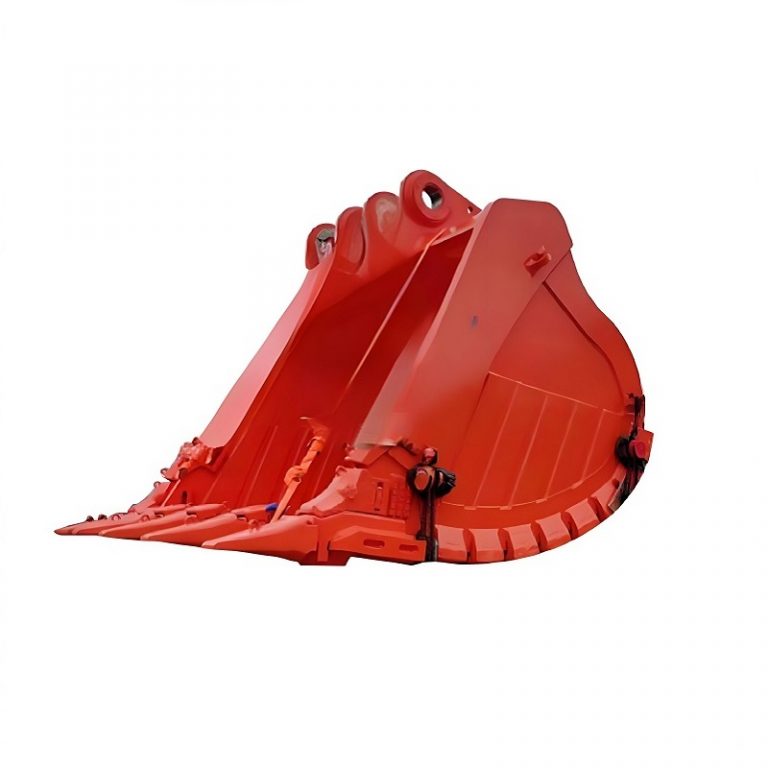
Bucket Assembly For Hitachi Excavator

Bucket Assembly For Hitachi Excavator

Bucket Assembly For Hitachi Excavator Assembling a bucket on a Hitachi excavator (typically a medium to large Zaxis series) is a critical task that requires heavy rigging, alignment tools, and strict adherence to safety protocols. Troubleshooting Pin won’t go in: The ears are misaligned. Use a ratchet strap around the bucket and stick to pull them together, or use a porta-power (hydraulic spreader) to push them apart if they are too tight. Cylinder won’t align: If the link pin hole is off by a few inches, loosen the hydraulic line slightly at the cylinder head to allow trapped oil to bypass (cracking the line) so you can push the rod in by hand. Caution: High pressure. Product Overview Technical Parameter Applications Related Video Contact us Here is a step-by-step guide for the bucket assembly process. 1. Safety First Park on solid, level ground. Turn off the engine and relieve hydraulic pressure (move joysticks through all motions with the engine off). Use adequate supports. Do not rely on the hydraulic cylinders to hold the stick and linkage while you are between them. Use jack stands or cribbing if the linkage must be raised. 2. Required Tools & Parts New pins and bushings (if applicable).

Read More »
Track Chain Assembly For Hitachi Excavator

Track Chain Assembly For Hitachi Excavator

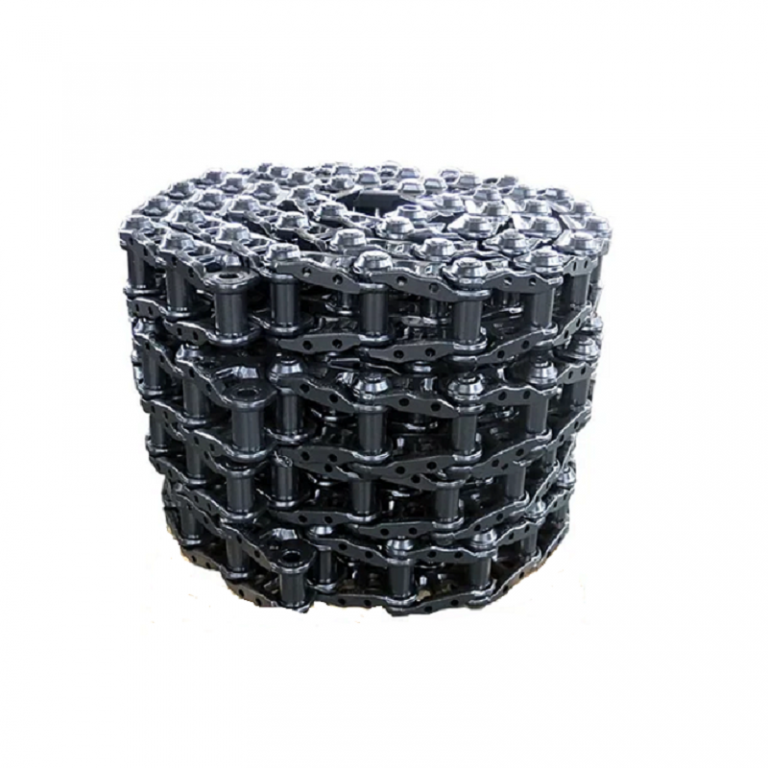
Track Chain Assembly For Hitachi Excavator A track chain assembly (also known as a track link assembly) is a critical component of an excavator's undercarriage. For a Hitachi excavator, this assembly is responsible for transferring power from the drive sprocket to the ground, providing traction and supporting the machine's weight. Product Overview Technical Parameter Applications Related Video Contact us Here is a comprehensive guide regarding the Track Chain Assembly for Hitachi Excavators, including types, part numbers, and how to identify the correct one. 1. Core Components of the Assembly A standard track chain assembly consists of: Links: The connected pieces that form the rail the rollers travel on. Pins and Bushings: The joints that allow the chain to articulate around the sprocket and idler. Seals: Grease-filled cartridges that keep dirt out and lubrication in (in sealed and lubricated models). 2. Types of Track Chains Depending on the model and application, Hitachi excavators use different types of chains: Standard (Dry) Chain: Common on smaller mini-excavators. The pin and bushing have no internal lubrication. Sealed (Grease-Lubricated) Chain: The most common type for mid-size to large excavators. The space between the pin and bushing is filled with grease, greatly extending the life of the joint. Sealed and Lubricated

Read More »
Nylon monofilament Filter cloth

Nylon monofilament Filter cloth

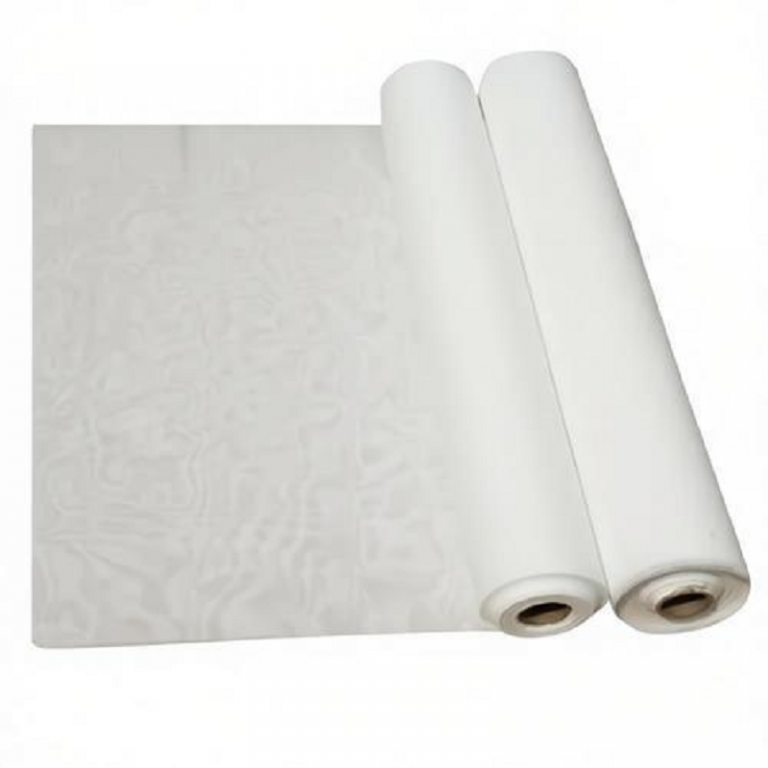
Nylon monofilament Filter cloth Nylon monofilament filter cloth is a type of industrial screening and filtration fabric made from a single, continuous filament (strand) of nylon (usually Nylon 6 or Nylon 6.6) woven into a mesh. Unlike multifilament cloth (which is made from twisted strands of many tiny fibers, similar to sewing thread) or monofilament fabrics made from other materials like polyester or polypropylene, nylon monofilament mesh has a specific set of characteristics that make it suitable for particular applications. Product Overview Technical Parameter Applications Related Video Contact us Key Properties Smooth Surface: Because it is made from a single filament, the surface is smooth and uniform. This allows for excellent "cake release" (the solid material being filtered releases easily from the mesh) and makes the cloth easy to clean. High Abrasion Resistance: Nylon is renowned for its toughness. It has superior abrasion resistance compared to polyester or polypropylene. This makes it ideal for applications where the filter cloth will be subjected to significant mechanical wear or vibration. High Tensile Strength: It is very strong and can withstand high pressures on filter presses or rotary vacuum filters. Excellent Flexibility and Resilience: Nylon has good "memory." It can withstand repeated flexing without permanently deforming or creasing. Moisture Absorption: Nylon absorbs more

Read More »
HSX Series Split Type Hydraulic Torque Wrench

HSX Series Split Type Hydraulic Torque Wrench

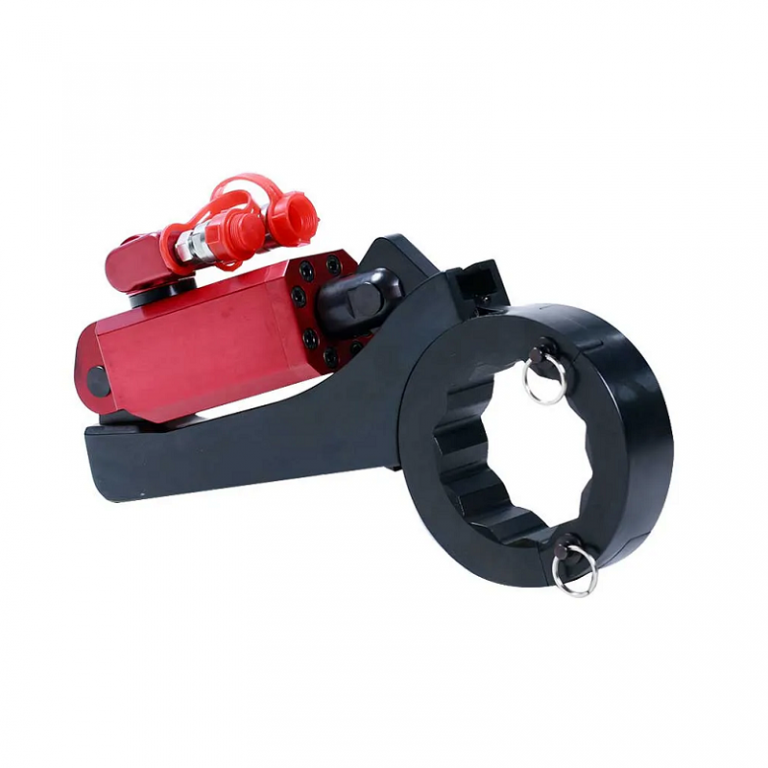
HSX Series Split Type Hydraulic Torque Wrench The HSX split type hydraulic torque wrench is very suitable for the working conditions of punching nuts, especially the tightening of the drive shafts of automobiles and ships. The HSX split low profile torque wrench is made of high-strength alloy steel. It is wear-resistant, anti-corrosive and durable, and it can ensure the smooth implementation of the project. Product Overview Product Advantages Technical Parameter Features Related Video Contact us 1, The HSX split low clearance wrench has a detachable head, and the radius of the head is also very small. The pin and shaft combination is easy to disassemble or assemble. 2, Since the HSX split low profile hydraulic torque wrench does not have a holding function, it is necessary to run the hydraulic pump in the return direction after using the JND wrench. After each cycle is completed, remove the wrench and reposition it. 3, HSX split hollow wrenches are double-packed, with aluminum-plastic boxes first and then wooden boxes. TorcStark stocks a large number of JND wrenches, which can be shipped immediately. The transportation time depends on the transportation method, and the shortest time is 3-5 days. TorcStark provides a one-year product warranty.

Read More »